Your tyres are the only part of your car that makes direct contact with the road, yet they are often one of the most overlooked safety components. Many drivers wait until a tyre fails an MOT, loses pressure suddenly, or visibly bursts before taking action. By that point, the damage is already done, not just to your wallet, but potentially to your safety as well.

Knowing when your tyres need replacing is not always obvious. Tyres can look fine at a glance while hiding dangerous wear, ageing, or structural weakness. This guide explores the warning signs, legal requirements, driving risks, and long-term costs of delaying tyre replacement, helping you make informed decisions before problems escalate.
Why Do Tyre Conditions Matter More Than You Think?
Tyres affect almost every aspect of your car’s performance. From braking distance and steering response to fuel efficiency and ride comfort, worn or damaged tyres compromise far more than just grip.
In wet conditions, tyres with insufficient tread struggle to disperse water, increasing the risk of aquaplaning. In dry conditions, uneven or aged tyres can reduce stability, especially during emergency manoeuvres. Over time, small tyre issues can place extra strain on suspension, steering, and braking systems, leading to wider mechanical problems.
Replacing tyres at the right time is not just about passing an MOT, it’s about maintaining control, predictability, and safety every time you drive.
The Legal Tread Depth Limit in the UK
In the UK, the legal minimum tread depth is 1.6mm across the central three-quarters of the tyre, around the entire circumference. Anything below this is illegal and will result in an MOT failure.
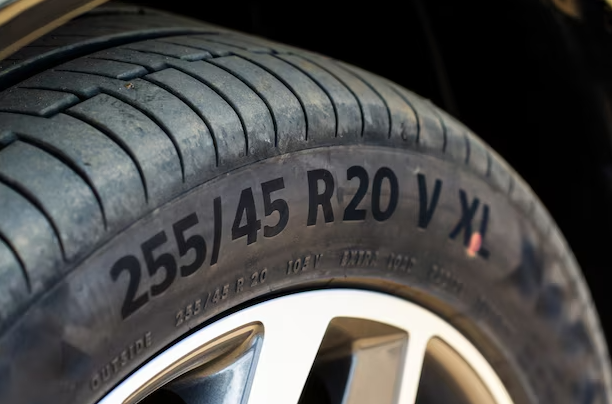
However, legality does not always equal safety. Most tyre manufacturers and safety organisations recommend replacing tyres once tread depth drops below 3mm, particularly if you drive frequently in wet conditions. Braking distances increase significantly between 3mm and 1.6mm, even though both are technically legal.
Relying solely on the legal minimum often means replacing tyres too late.
Visual Signs Your Tyres Need Replacing
Some tyre problems are visible if you know what to look for. Regularly checking your tyres, ideally once a month, can help you spot early warning signs.
- Worn Tread Patterns
Uneven tread wear is a common indicator that something is wrong. If one side of the tyre is more worn than the other, it could point to wheel alignment issues. Excessive wear in the centre of the tread often suggests over-inflation, while wear on the outer edges usually means under-inflation.
Ignoring uneven wear doesn’t just shorten tyre life, it can lead to steering instability and premature suspension wear.
- Cracks and Splits in the Rubber
As tyres age, the rubber compound hardens and becomes brittle. Small cracks along the sidewall or between tread blocks may not seem serious, but they weaken the tyre’s structure and increase the risk of sudden failure.
Sidewall cracks are particularly dangerous, as this area cannot be safely repaired.
- Bulges or Blisters
A bulge in the sidewall indicates internal damage, usually caused by hitting potholes or kerbs. This means the tyre’s internal cords have been compromised. Even if the tyre holds air, it is unsafe and should be replaced immediately.
Driving on a tyre with a bulge significantly increases the risk of a blowout, especially at higher speeds.
How Tyre Age Can Affect Your Drive?
Many drivers focus on tread depth but ignore tyre age. Even if a tyre has plenty of tread remaining, it may still need replacing due to ageing.
Most manufacturers recommend replacing tyres after five to six years, regardless of mileage. Rubber degrades over time due to exposure to oxygen, sunlight, and temperature changes. Older tyres lose elasticity, reducing grip and increasing stopping distances.
You can find a tyre’s age by checking the DOT code on the sidewall. The last four digits indicate the week and year of manufacture. For example, “3520” means the tyre was made in the 35th week of 2020.
Changes in Driving Feel You Shouldn’t Ignore
Not all tyre issues are visible. Sometimes, the car’s behaviour tells you something is wrong.
If your steering feels vague or less responsive, especially at motorway speeds, worn tyres could be the cause. Increased road noise or vibration may also indicate uneven wear or internal tyre damage.
Pulling to one side while driving straight can suggest tyre wear issues, although alignment problems can contribute as well. Either way, tyres are often the first place to check.
Ignoring these subtle signs often leads to more severe issues, and higher repair bills.
Frequent Pressure Loss and Punctures
Tyres that constantly lose pressure are often nearing the end of their life. Ageing rubber becomes more porous, allowing air to escape slowly even without visible punctures.
Repeated punctures in the same tyre are another red flag. While some punctures can be safely repaired, multiple repairs weaken the tyre’s integrity. If damage occurs near the sidewall, replacement is usually the only safe option.
Driving on under-inflated tyres increases fuel consumption, accelerates wear, and raises the risk of overheating and blowouts.
How Worn Tyres Affect Your MOT
Tyres are a critical MOT inspection item. Common tyre-related MOT failures include insufficient tread depth, sidewall damage, exposed cords, and incorrect tyre sizes or load ratings.

What many drivers don’t realise is that tyres can also trigger MOT advisories long before they fail outright. Advisories often note tyres “close to legal limit” or showing signs of deterioration.
Ignoring these advisories usually results in a guaranteed failure at the next MOT, often requiring urgent replacement at short notice, which limits choice and increases costs.
Regular inspections of car tyres in Fleet reduces the risk of accidents, breakdowns, and unnecessary repair costs.
Seasonal Driving and Tyre Wear
Your driving environment plays a big role in how quickly tyres wear out. Frequent motorway driving can wear tyres evenly but steadily, while urban driving with constant stopping, turning, and speed bumps causes faster and more uneven wear.
Cold weather hardens rubber compounds, reducing grip, while hot weather accelerates wear. Drivers who do a mix of short trips and long journeys often experience inconsistent tyre degradation, making regular inspections even more important.
The Cost of Delaying Tyre Replacement
Delaying tyre replacement may seem like a way to save money, but it usually does the opposite.
Worn tyres increase braking distances, raising the likelihood of accidents. They also place additional strain on suspension components, wheel bearings, and steering systems. Over time, what could have been a simple tyre replacement can turn into a much more expensive repair job.
There are also legal risks. Driving with illegal tyres can result in fines, penalty points, and invalidated insurance in the event of an accident.
Replacing tyres proactively is almost always cheaper than dealing with the consequences of waiting too long.
When Should You Replace Tyres Early?
While many drivers wait for obvious signs of wear, there are situations where early replacement is the safest option.
If you frequently drive long distances, carry heavy loads, or tow trailers, tyres experience more stress and should be replaced earlier. Similarly, if your car has just failed an MOT or received advisories for tyre condition, it’s wise to act immediately rather than postponing.
Replacing tyres in pairs, or all four at once, also helps maintain balanced handling and stability.
Professional Tyre Inspections Make a Difference
Self-checks are useful, but they don’t replace professional inspections. Trained technicians can identify internal damage, alignment issues, and subtle wear patterns that are easy to miss.
Regular tyre inspections allow problems to be corrected early, extending tyre life and improving safety. This is especially important before long journeys or seasonal weather changes.
Why Choose TJ Services Fleet For Tyres Replacement?
When it comes to knowing when and how to replace your tyres, working with an experienced service provider makes all the difference. TJ Services Fleet offers professional tyre inspections, honest advice, and high-quality replacement solutions tailored to your driving needs.

Their technicians assess tread depth, tyre age, sidewall condition, and overall performance, helping you avoid MOT failures and unexpected breakdowns. Whether you need routine tyre checks, replacements, or advice following an MOT advisory, TJ Services Fleet ensures your vehicle remains safe, compliant, and roadworthy.
By addressing tyre issues early, drivers can save money, improve handling, and reduce long-term wear on other vehicle components, all with confidence and peace of mind.
Drivers can get directions to TJ Services Fleet for tyre inspections, replacements, and expert advice tailored to their driving needs.
Final Thoughts
Tyres are often taken for granted, but they play a crucial role in vehicle safety, performance, and reliability. From legal tread limits and ageing rubber to subtle handling changes and MOT advisories, there are many signals that indicate it’s time for replacement.
Acting early protects not only your car but also everyone on the road around you. Replacing tyres at the right time saves money, reduces stress, and ensures your vehicle performs as it should, in all conditions.
If you treat tyre maintenance as a priority rather than an afterthought, you’ll enjoy safer, smoother, and more predictable driving every day.