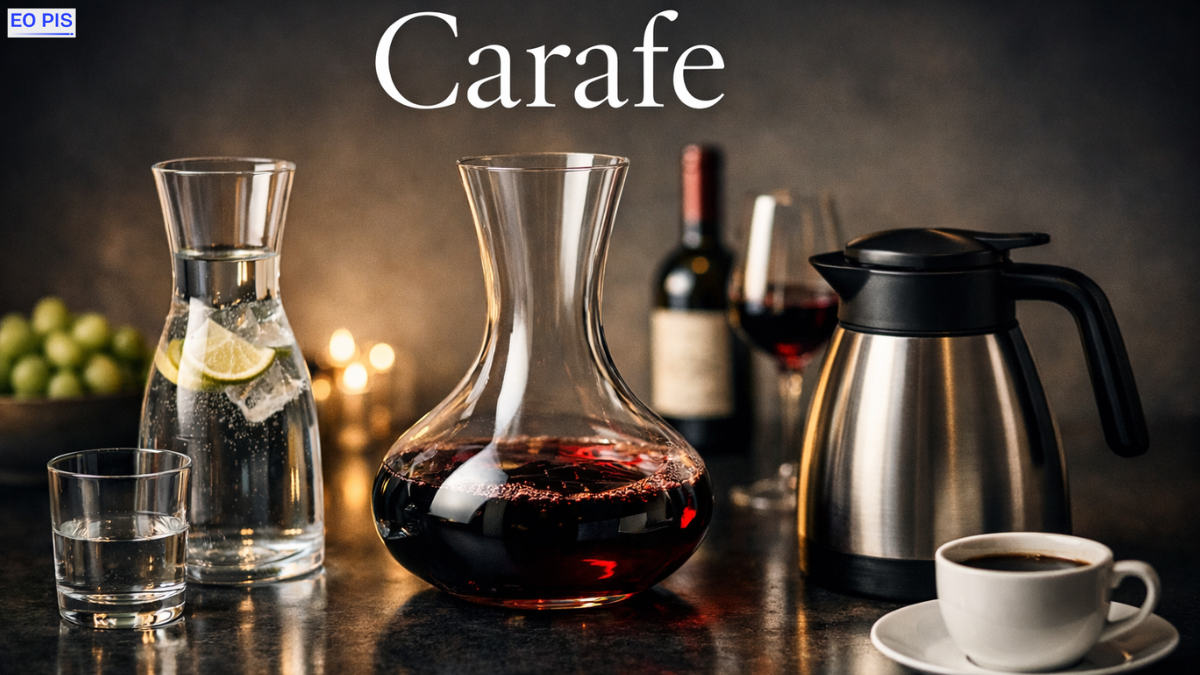
A carafe is more than a decorative container on a dining table. In both homes and restaurants, it serves as a practical beverage serving container that improves presentation, supports proper wine aeration, and enhances the overall drinking experience. Whether used as a wine carafe, glass carafe, or coffee carafe, this vessel helps control pouring, highlight aromas, and elevate table service. Understanding the purpose of a carafe, its materials, and its different uses can help you choose the right option for wine, water, or coffee while improving both beverage presentation and everyday dining.
What Is a Carafe and How Is It Used?
A carafe is a serving vessel designed to hold and pour beverages such as wine, water, juice, or coffee. Unlike standard bottles, a carafe allows drinks to be poured more easily while enhancing table presentation and beverage serving etiquette.
The most common carafe uses include serving wine during meals, offering water at the table, and holding brewed coffee from drip coffee machines. Because of its narrow neck and wider base, a glass carafe allows controlled pouring and minimizes spills.
In professional wine service, a sommelier may use a wine carafe to improve aroma development and provide a more refined dining experience.
The History and Origin of the Carafe
The term carafe traces back to the Arabic word gharafa, meaning “to scoop or ladle.” Over time, the vessel became part of European dining culture, particularly in France and Italy, where wine and water were traditionally served in simple glass containers rather than individual bottles.
Historically, carafes were everyday barware items rather than luxury objects. Their purpose was practical: a reusable beverage container that allowed hosts to serve drinks conveniently at the table.
Today, carafes remain essential in restaurant service, especially for wine and water presentation.
Common Materials Used in Carafes (Glass, Crystal, Thermal)
Modern carafes are made from several materials, each designed for different uses.
A glass carafe is the most common choice for homes and restaurants because it is neutral, affordable, and easy to clean. Many high-quality models use borosilicate glass, which resists temperature changes and breakage.
Crystal versions are often used in formal wine service because they enhance the visual appeal of red wine or white wine during elegant table service.
For hot beverages, a thermal carafe is preferred. These containers often feature stainless steel construction and vacuum insulation, allowing coffee to stay hot for hours without a heating plate.
Carafe vs Decanter: What’s the Real Difference?
A common question in wine culture is carafe vs decanter. While both vessels can hold wine, they serve slightly different purposes.
A decanter is primarily designed for wine decanting, which separates sediment and increases oxygen exposure for wine. These containers often have wide bases to maximize wine oxygenation.
A wine carafe, however, is more versatile. It functions as a wine serving vessel while still allowing moderate wine aeration. Because of this flexibility, many restaurants use carafes for table service rather than large decanters.
Carafe vs Pitcher: Are They the Same Thing?
Although they look similar, a carafe and a pitcher serve different roles.
A pitcher is usually larger and includes a handle, making it ideal for serving multiple drinks quickly. A carafe, by contrast, is designed for refined beverage presentation and controlled pouring.
In hospitality environments, pitchers often hold lemonade or iced tea, while carafes are used for wine, water, or juice as part of formal table presentation.
Popular Uses of a Carafe for Wine, Water, and Coffee
A carafe for beverages can serve multiple purposes at home or in professional dining environments.
Wine lovers use a wine carafe to improve the wine tasting experience, allowing aromas to develop before drinking. In restaurants, water carafes simplify table service while reducing bottle clutter.
A coffee carafe is commonly used with coffee machine carafe systems found in drip coffee makers. These containers hold freshly brewed coffee and make pouring easier during breakfast or meetings.
Why Use a Carafe Instead of Serving From the Bottle?
Serving directly from a bottle may seem convenient, but a carafe offers several advantages. First, it improves wine pouring control, allowing drinks to be served smoothly without spills.
Second, a carafe enhances beverage presentation, which is particularly important in restaurants or dinner gatherings. A well-designed glass carafe creates a more elegant atmosphere at the table.
Another practical reason is portion control. Restaurants often use carafes because they help maintain consistent serving sizes and simplify wine service.
How a Carafe Improves Wine Serving and Aeration
One of the most important functions of a wine carafe is supporting wine aeration. When wine is poured into a wider container, the liquid has more contact with oxygen.
This drink aeration allows aromatic compounds to open up, improving wine aroma enhancement and overall flavor balance. Younger wines often benefit the most because aeration softens strong tannins and improves wine flavor development.
However, delicate wines require moderation. Too much oxygen exposure may cause subtle flavors to fade.
What Is a Coffee Carafe and How Does It Work?
A coffee carafe is the vessel that collects brewed coffee from drip coffee machines. Most coffee makers include either a glass or an insulated version.
Glass coffee carafes typically sit on warming plates, while thermal versions rely on stainless steel thermal containers and vacuum insulation to maintain heat without electricity.
Because of this design, a thermal carafe prevents coffee from becoming bitter due to prolonged heating.
Benefits of Using a Carafe at Home or in Restaurants
Using a carafe offers several practical and aesthetic advantages.
It improves the wine tasting experience, simplifies table service, and enhances elegant table service in both homes and restaurants.

Carafes also support sustainability. Restaurants often use water carafes to reduce bottled water waste while maintaining a polished dining experience.
How to Choose the Right Carafe for Your Needs
Selecting the right beverage storage vessel depends on how you plan to use it.
A wine enthusiast may prefer a wine aeration container with a wide base. Coffee drinkers might choose a thermal carafe designed for heat retention.
Material matters as well. Borosilicate glass provides durability for everyday use, while crystal models focus more on aesthetics.
Best Carafe Types for Wine, Water, and Coffee
Different beverages require different designs. Wine carafes often feature wider bases for aeration, while water carafes are taller and slimmer for refrigerator storage.
Coffee versions focus on insulation and durability. Brands such as Netany Glass Carafe, Hiware, Savino, Libbey, Bezrat, NUTRIUPS, and Bormioli Rocco produce various models suited for different beverages and serving styles.
What Size Carafe Is Best for Home Use?
A typical wine bottle size (750 ml) determines the standard carafe capacity used in most homes and restaurants. Many wine carafes are designed specifically to hold one full bottle.
Larger options are available for water or juice service. Choosing the correct capacity helps ensure smooth table service without frequent refills.
How to Clean and Maintain a Glass Carafe Properly
Cleaning a glass carafe can be challenging because of its narrow neck. Warm water, mild soap, and a bottle brush are usually sufficient for regular maintenance.
Restaurants often rinse carafes immediately after use to prevent staining from wine residue. This simple habit helps preserve the clarity of glassware and maintain hygiene in barware collections.
Is a Carafe Worth Buying? Pros, Limitations, and Alternatives
For most households, a carafe for wine or water offers practical benefits. It improves serving style, supports wine aeration, and enhances dining presentation.
However, carafes require careful handling because glass models can break easily. They also need proper cleaning to prevent residue buildup.
Alternatives include pitchers or decanters, but carafes remain one of the most versatile beverage serving containers available.
Conclusion
A carafe is a versatile and elegant vessel that enhances beverage service at home and in restaurants. Whether used as a wine carafe, glass carafe, or coffee carafe, it improves presentation, supports wine aeration, and makes serving drinks more convenient.
Understanding the purpose of a carafe, the materials used, and how it differs from other barware helps you choose the right option for your needs. With the right design and capacity, a carafe becomes a practical addition to your table combining functionality, aesthetics, and a better overall wine tasting experience.
You May Also Like Homeware Zone: Modern Home Living Guide
FAQs About Carafes
1. What is the main purpose of a carafe?
The main purpose of a carafe is to serve beverages in a way that improves pouring control and presentation. A wine carafe can also support wine aeration, allowing oxygen exposure that enhances aroma and flavor. It is commonly used for wine, water, juice, and coffee in both homes and restaurants.
2. Is a carafe the same as a decanter?
No, a carafe and a decanter are not the same, although both can hold wine. A decanter is designed specifically for wine decanting and sediment separation, while a carafe is a more versatile beverage serving container used for wine, water, or juice. Many restaurants prefer carafes because they are easier to handle and store.
3. Does using a wine carafe actually improve wine taste?
Yes, a wine carafe can improve taste by allowing the wine to aerate, which exposes the wine to oxygen. This process helps release aromas and soften strong flavors, especially in younger wines. However, delicate older wines may require less aeration to avoid losing subtle aromas
4. Can wine go bad if left in a carafe too long?
Yes, wine can deteriorate if left in a carafe for too long because prolonged oxygen exposure speeds up oxidation. Most wines should be consumed within a few hours after pouring into a carafe. Leaving wine overnight in an open carafe may cause it to lose aroma and freshness.
5. Are glass carafes safe for hot beverages like coffee?
Standard glass carafes may crack if exposed to sudden heat changes. For hot drinks, it is better to use a coffee carafe made from borosilicate glass or a stainless steel thermal carafe designed for heat retention. These materials resist temperature shock and keep beverages warm longer.