Who Is Princess Kalina of Bulgaria, and Why Is She in Global Media Discussions?
Princess Kalina of Bulgaria is best understood as a modern royal figure whose life combines aristocratic heritage, personal discipline, and cultural symbolism. As the daughter of Simeon II of Bulgaria, the last Tsar, she represents a living link between the Bulgarian monarchy legacy and the country’s democratic present. In recent years, renewed public curiosity has focused on her physical transformation, muscular physique, and evolving royal image, which together shape her contemporary relevance. For many readers seeking a clear Bulgarian princess biography, her story offers insight into how identity, public perception, and lifestyle choices intersect in the evolving role of royalty.
Royal Exile Upbringing and European Aristocratic Heritage
Born in Madrid in 1972 during her family’s exile, Princess Kalina grew up immersed in European royal history and aristocratic social influence. As a member of the historic House of Saxe-Coburg and Gotha, she inherited ceremonial royal titles tied to Bulgaria’s past. This royal exile upbringing shaped a post-monarchy identity defined by resilience and adaptability rather than formal political authority. Over time, the monarchy-to-republic transition became central to how the Bulgarian royal family is perceived, reinforcing Kalina’s symbolic cultural significance.
Connection to Simeon II and Bulgaria’s Political Transition
Princess Kalina’s relationship with her father, Simeon II, reflects a rare historical narrative. His journey from monarch to democratic prime minister created a unique context for understanding the evolving role of royalty in modern Europe. This familial connection often attracts scholarly and public attention because it highlights how former royal institutions continue to influence national identity continuity without governing power.
Education, Cultural Awareness, and Intellectual Development
After attending international schools in Spain, Princess Kalina studied History of Art in London, strengthening her interest in cultural heritage preservation and heritage conservation initiatives. Her academic background later informed involvement in royal cultural institutions, including activities linked to restoration and historical awareness. Such intellectual engagement demonstrates that modern elite lifestyle narratives can extend beyond ceremonial representation into practical cultural stewardship.
Marriage to Kitín Muñoz and International Lifestyle Experience
Princess Kalina’s marriage to Spanish explorer Antonio “Kitín” Muñoz, a UNESCO Goodwill Ambassador, reflects a partnership grounded in exploration, cultural diplomacy, and global mobility. Their son, Simeon-Hassan Muñoz, embodies the intersection of Bulgarian royal lineage and international upbringing. The family’s long-term living experience in Morocco and Bulgaria illustrates how privacy-focused lifestyles can coexist with symbolic royal visibility.
Athlete Identity and Professional Equestrian Competition
An avid equestrian, Princess Kalina has represented Bulgaria in professional horseback riding competitions, reinforcing her identity as an athlete rather than a purely ceremonial royal. This participation highlights how disciplined athletic training can reshape public expectations of aristocratic roles. In practice, athletic credibility often enhances relatability, particularly in societies where public figures are increasingly evaluated on achievement rather than heritage.
Princess Kalina Fitness Lifestyle and Long-Term Training Discipline
Much of the recent fascination with Princess Kalina’s physical transformation stems from her commitment to a long-term weight training routine and daily strength conditioning. Her muscular physique reflects decades of structured exercise, including cardio endurance and outdoor activities such as hiking in the Rila Mountains. Sustaining such discipline requires lifestyle trade-offs, including strict scheduling, recovery planning, and reduced public engagements. This strength-and-resilience narrative has made her a source of inspiration for individuals exploring fitness motivation beyond aesthetic goals.
Media Attention, Facial Changes, and Public Perception Dynamics
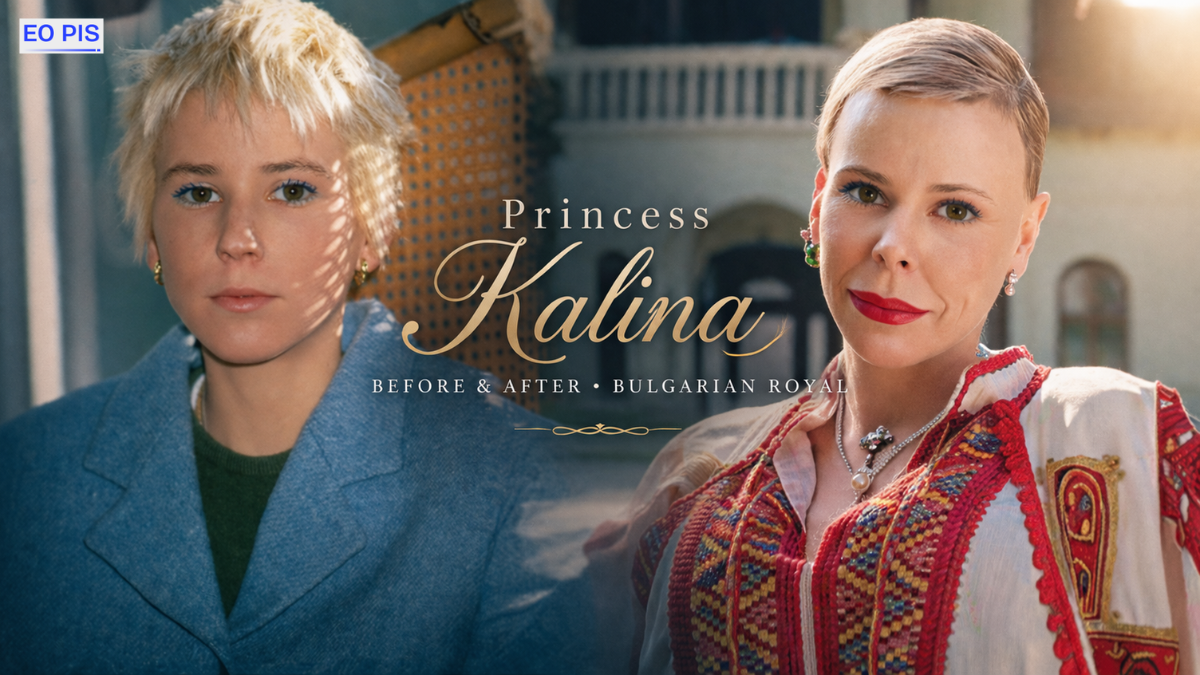
Public discussion around Princess Kalina’s facial changes illustrates the complex relationship between health realities and media interpretation. While speculation often attributed these changes to cosmetic procedures, family statements linked them to complications from a serious infection and dental treatment. This situation reflects broader royal public image dynamics, where incomplete information can amplify misconceptions and shape global narratives.
Balancing Royal Heritage with Personal Freedom
Princess Kalina’s lifestyle emphasizes autonomy, combining ceremonial status with a preference for limited public exposure. Her lifestyle, focused on privacy and fitness, demonstrates a pragmatic approach to post-monarchy identity. By selectively participating in cultural initiatives, she maintains symbolic influence without the constant scrutiny typical of active monarchies. This balance illustrates the unconventional royal personality increasingly associated with modern European aristocracy.
Cultural Work and Heritage Preservation in Bulgaria
Through involvement with initiatives such as the King Boris and Queen Giovanna Royal Heritage Fund, Princess Kalina contributes to heritage restoration and awareness of national traditions. She is also known for traditional costume cultural representation, often wearing Bulgarian folk attire at symbolic events. These efforts reinforce the enduring connection between royal heritage and national cultural identity.
Ceremonial Royal Status in a Democratic Republic
Although Bulgaria is now a republic, Princess Kalina retains ceremonial royal titles linked to historical continuity. For many observers, the continued visibility of former royal families supports cultural tourism, educational discourse, and heritage appreciation. However, modern audiences often assess relevance based on contribution rather than lineage alone, shaping ongoing debates about the practical influence of aristocratic social roles.
Public Image vs Reality: Media Narratives and Royal Identity
The contrast between public perception vs reality has defined much of Princess Kalina’s modern reputation. Viral media coverage focusing on appearance sometimes overshadows her contributions to sport and cultural preservation. This pattern highlights how media attention on public figures can simplify complex personal journeys into narrow narratives, affecting how contemporary audiences interpret royal symbolism.
Does Her Lifestyle Reflect the Future of Modern Royalty?
Princess Kalina’s path suggests a broader transformation in how European royal descendants maintain social relevance. By emphasizing personal achievement, cultural engagement, and individual identity, she represents a shift toward flexible models of aristocratic influence. This approach may signal how modern royalty relevance evolves in societies where formal political authority has long been replaced by democratic institutions.
Conclusion
Princess Kalina of Bulgaria illustrates how royal identity can adapt to modern expectations without losing historical significance. Her life story combines Bulgarian monarchy legacy, athletic dedication, and cultural stewardship, offering a nuanced perspective on the evolving role of aristocracy. For readers exploring whether her journey is meaningful today, the answer lies in her ability to merge heritage with personal reinvention. Those interested in cultural history, lifestyle inspiration, or the dynamics of post-monarchy society will find her narrative particularly relevant, while those expecting traditional ceremonial visibility may view her approach as unconventional yet reflective of changing times.
You May Also Like Joshua Ackles: The Private Life Behind the Ackles Name
FAQs About Princess Kalina of Bulgaria
Who is Princess Kalina of Bulgaria, and why is she widely discussed today?
Princess Kalina of Bulgaria is the only daughter of Simeon II, the country’s last Tsar, and a member of the former Bulgarian royal family. She has gained global attention due to her athletic lifestyle, distinctive physical transformation, and symbolic role in preserving royal heritage in a modern republic.
Is Princess Kalina still considered a royal even though Bulgaria is no longer a monarchy?
Yes, she retains ceremonial royal titles linked to historical tradition rather than political authority. In practice, her relevance today comes more from cultural influence, heritage work, and public interest than from any constitutional role.
What caused the noticeable changes in Princess Kalina’s facial appearance?
Speculation often linked her appearance to cosmetic surgery, but family explanations attribute the changes to complications from a severe infection and dental procedures. This misunderstanding highlights how media narratives can shape public perception without full medical context.
How did Princess Kalina develop her muscular physique and fitness lifestyle?
Her athletic build is the result of more than two decades of disciplined weight training, endurance exercise, and competitive equestrian activity. Such long-term physical conditioning requires strict routine management and lifestyle trade-offs that many casual observers underestimate.
Does her unconventional lifestyle affect how modern royalty is viewed in Europe?
Yes, her independent approach reflects a broader shift in how former royal families maintain social relevance through personal achievement and cultural engagement. Over time, this trend may influence expectations of aristocratic roles, especially in countries that transitioned from monarchy to democratic governance.