Your HVAC system works overtime to keep your indoor spaces comfortable all year long. For that reason, it’s worth spending a little time preparing your heating and cooling system before summer and winter arrive. Here are step-by-step instructions to get your equipment ready for both cold and hot weather.
Preparing for Winter
When winter arrives, your heating system works overtime to keep your indoor spaces cozy. For that reason, you’ll want your heater to be ready when you need it most.
Replace or clean your thermostat’s air filter to start the season off right. Turn on your heat and make sure the thermostat kicks on without any problems. If you have a programmable thermostat, you can schedule your home to heat at lower temperatures while you sleep or when no one is home. This saves you up to 10% on your heating costs each year.
Swap out the air filter in your furnace or heating system next. Dirt and debris clog your filter and force your system to work harder and waste energy. You should replace your furnace filter every one to three months as needed. Simply remove the filter and hold it up to a light. If you can’t see light coming through it, throw it away and install a new one.
Walk around your home and clear furniture, rugs, or boxes from your vents and registers. Closing vents waste your system’s energy and may damage your equipment. Open vents allow heated air to circulate freely throughout your rooms.
Clear debris from your outdoor heat pump before winter storms hit. Remove leaves, dirt, grass, and anything else that could block air flow from around your outdoor unit. Trim bushes and plants back at least two feet from your system to allow adequate air flow.
You may also want to schedule a seasonal HVAC tune-up before winter arrives. An HVAC technician will clean your system, inspect moving parts for wear, and make any necessary adjustments. These yearly tune-ups prevent major issues from developing and verify your system is running safely.
Preparing for Summer
Summer air conditioning keeps you cool and comfortable indoors all season long. For that reason, giving your air conditioner some TLC in spring helps you beat the heat.
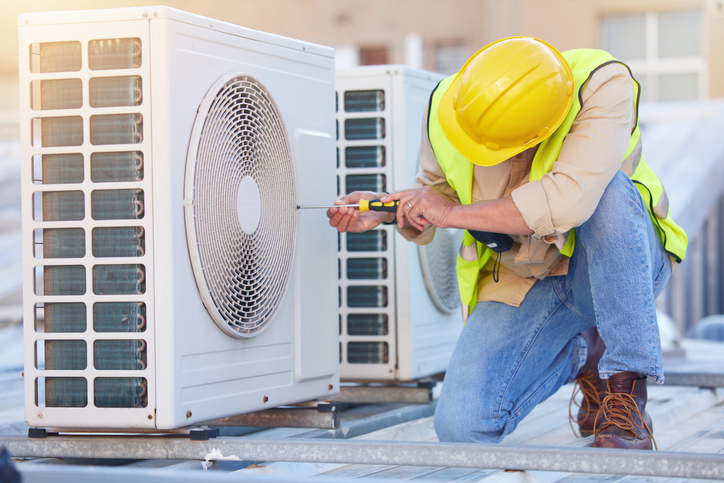
Clear debris from your outdoor air conditioning unit first. Shut off the power to your outdoor unit at the breaker before cleaning. Spray the fins gently with a garden hose to remove built-up pollen and dirt. You can carefully straighten bent fins with a butter knife. Clean fins allow your air conditioner to cool your home more efficiently.
Take a look at the ground covering around your outdoor air conditioner too. Remove grass, weeds, leaves, and dirt within two feet of your equipment. Doing so allows your air conditioner to receive proper airflow. Plus, it helps prevent overheating when the temperature rises.
Change out your air filter once again before turning on your cooling system. Dirty air filters reduce your indoor air quality and increase energy costs. During summer months, your air conditioner runs more often than your heater. Filtration systems get dirty faster as a result.
Test out your cooling system before high temperatures arrive. Turn your thermostat to the cooling setting and let your system run for about 15 minutes. Listen for unusual sounds and verify cool air is coming from your vents. If your air conditioner isn’t working properly, you have time to schedule repairs before it gets too hot.
Vacuum your vents and register returns with the hose attachment on your vacuum. Remove cobwebs and dirt that build up in your registers. Dust and debris slow down airflow and decrease your system’s efficiency.
Maintenance Tasks for All Seasons
Your HVAC system needs regular attention even when it’s not extremely hot or cold outdoors. Perform these easy tasks year-round for best results.
Change your HVAC system’s air filter once a month as needed. Replacing your air filter is the most important maintenance task you can do for your system. Set yourself a monthly reminder on your phone. If the filter looks dirty, change it. Otherwise, replace it every three months.
Install your thermostat away from lamps, TVs, and out of direct sunlight. Radiation from these objects can cause your thermostat to read temperatures higher than they actually are. As a result, your cooling system could run longer than necessary.
Look for leaky ductwork throughout your home. Check all connections in your basement or attic where ductwork is usually located. If you can feel air escaping from the ducts, use metal tape or mastic sealant to patch connections. Leaky ductwork wastes up to 30% of your energy.
Pay attention to your monthly energy bills. Significant increases can indicate trouble with your HVAC system. As such, you may be able to resolve issues before they turn into costly repairs.
Listen for strange noises when your heating and cooling system run. Noises such as grinding, squealing, or banging are signs of a problem. Contact a professional HVAC service company to inspect your system before the issue gets worse.
Smart Technology for HVAC Maintenance
Some smart home technology can make keeping up with HVAC maintenance easy.
Installing a smart thermostat can save you money on heating and cooling costs. A smart thermostat learns your routine and adjusts the temperature when you’re asleep or away from home.
Think about replacing your old HVAC system if it’s more than 15 years old. Newer HVAC systems cool and heat your home more efficiently to save you money on energy bills.
Upgrade to a programmable thermostat if you don’t already have one. You can program your thermostat to heat or cool your home at efficient temperatures day and night. Programmable thermostats prevent you from heating and cooling an empty home.
FAQ’s
How do I winterize my HVAC system?
Don’t overthink it. Change the air filter, test your thermostat, and remove boxes and furniture from covering vents. Also, make sure your outdoor HVAC unit isn’t covered in leaves or debris so that air can freely enter and exit the system. Lastly, don’t forget to schedule your seasonal HVAC tune-up with a professional.
How do I prepare my AC for summer?
Maintain your outdoor AC unit. Shut off the power to your outdoor unit and spray the fins with water using a gentle spray attachment. Use a butter knife to straighten bent fins. Also, remove debris around the unit so it can receive proper airflow. Replace the air filter and vacuum your vents. After completing all steps, run your system for five minutes to make sure everything is working properly.
How often should I change my HVAC filter?
HVAC filters typically need to be replaced every one to three months. If you can’t remember when you last replaced it, remove the filter and take a look. If it is gray in color or full of dust, replace it. If you live in an area with heavy air pollution or your system is indoors and is used year-round, your filter will need to be changed more often. Change it with the seasons, at least.
Pro tip: Change your filter regularly, like you brush your teeth. No one wants to chew with a dirty toothbrush, and your HVAC system won’t operate efficiently with a dirty filter.
Will smart or programmable thermostats save me money?
Installing a smart thermostat or a programmable thermostat can save you 10–23% on your energy bills. Your thermostat automatically turns on and off based on your daily routine so you’re not heating or cooling an empty home. You can also adjust the temperature from your phone while you’re away on vacation.
What tasks can I do in the spring and fall to keep my HVAC system efficient?
Replace your HVAC filter. Seal duct leaks. Keep furniture away from vents. And ensure your thermostat is not located in direct sunlight or next to a heat source.
These quick and easy tasks help increase home comfort, save you money, and prolong the life of your HVAC system.
Final Words
You don’t need to be an expert to maintain your HVAC system. By following the steps above, you can ensure your heating and cooling system runs efficiently and dependably for years to come. Programmable thermostats make maintaining your HVAC equipment easy and save you money. Regular seasonal maintenance keeps your indoor air quality high and saves you money on utility bills.