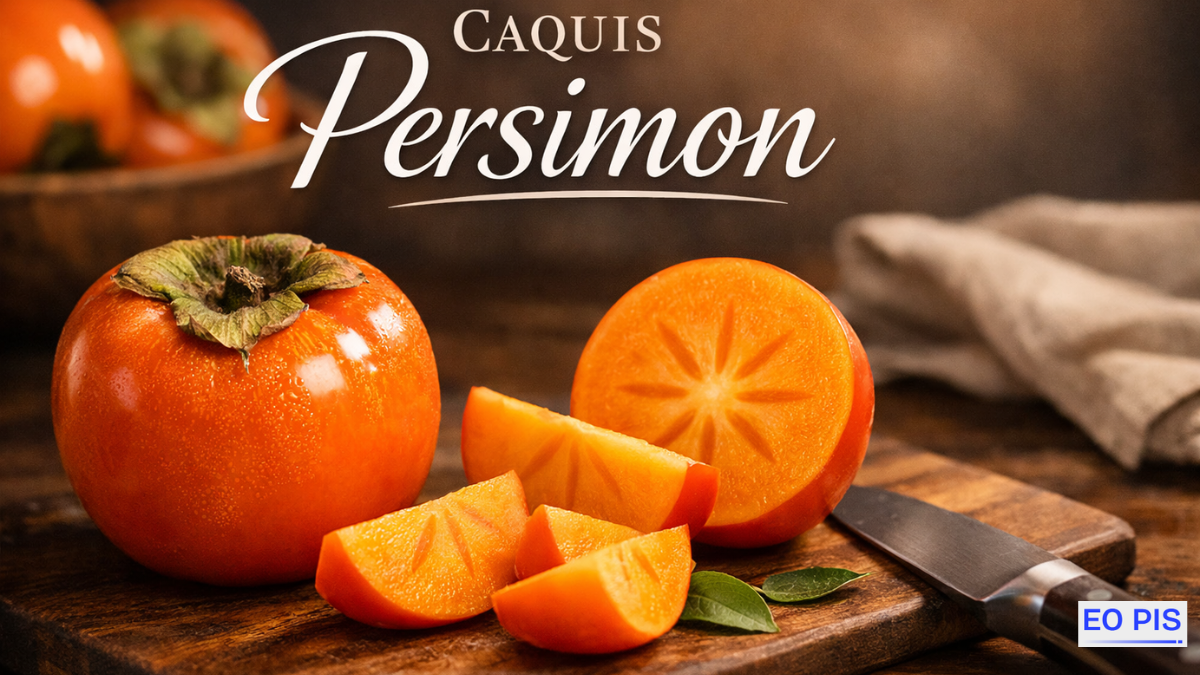
The Caquis Persimon fruit has become increasingly visible in produce markets as consumers search for convenient, nutritious whole foods. Unlike many traditional persimmon varieties, the Caquis Persimon persimmon can be eaten while still firm, making it easier to slice, cook with, and store. Derived from the species Diospyros kaki, this fruit combines centuries-old cultivation traditions with modern agricultural innovation. For shoppers wondering what is Caquis Persimon, understanding its origin, nutritional value, and practical uses explains why this fruit has gained attention across global fruit markets and the growing demand for healthy seasonal produce.
What Is Caquis Persimon?
Caquis Persimon refers to a specially processed form of persimmon fruit grown mainly in Spain. Botanically, it belongs to Diospyros kaki, one of the most widely cultivated persimmon species worldwide.
Most astringent persimmons contain tannins that make them unpleasantly bitter when firm. Caquis Persimon undergoes a de-astringency process that neutralizes those tannins, allowing the fruit to be eaten while crisp rather than soft. Because of this processing method, it is often categorized as a non-astringent persimmon in commercial fruit markets.
The name also relates to the Persimon brand, which represents fruit grown under strict regional standards in Spain.
Where Does Caquis Persimon Come From?
The Caquis Persimon fruit originates from the long history of persimmon cultivation. Persimmons were first domesticated in China, before spreading across Japan and Korea, where the fruit became embedded in traditional food cultures.
In the 19th century, Diospyros kaki trees were introduced to Europe. Spain—particularly the Valencia region—proved ideal for cultivation due to its warm climate and fertile soils typical of Mediterranean agriculture.
Today, the Ribera del Xúquer area in Valencia is recognized as the center of Caquis Persimon farming. The region’s climate and agricultural expertise allow Spanish agricultural producers to grow persimmons that meet strict export standards.
What Makes Caquis Persimon Different from Regular Persimmons?
Many people associate persimmon fruit with a soft, jelly-like texture that requires it to fully ripen before eating. That experience often comes from astringent persimmons, where tannins create a dry mouthfeel if the fruit is eaten too early.
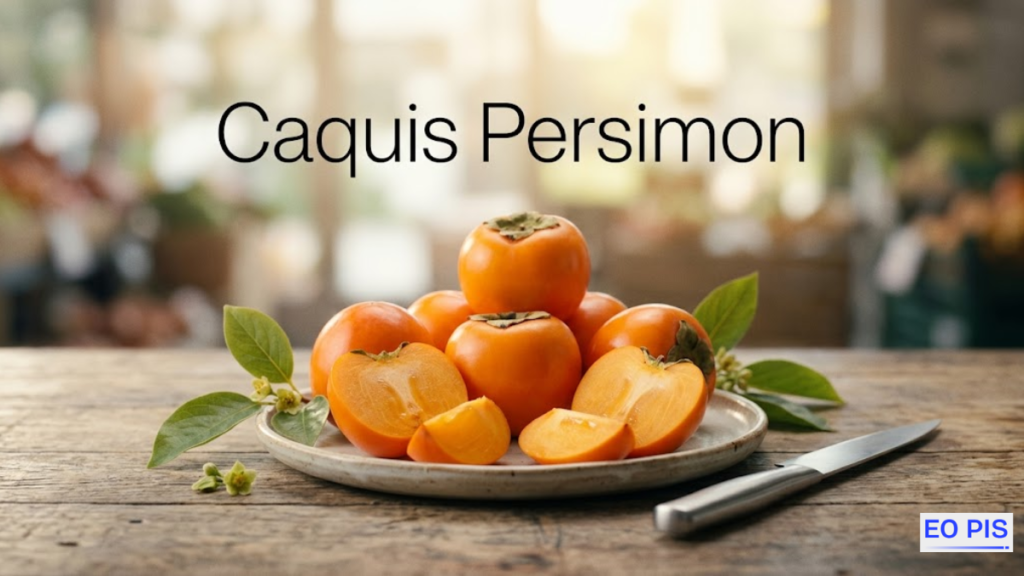
The Caquis Persimon persimmon solves this problem. Thanks to controlled fruit processing, it can be eaten while firm, similar to apples or pears.
This difference creates practical advantages for consumers. The fruit holds its shape in recipes, stores better during transport, and slices well fresh. As a result, it has become more appealing to modern shoppers who want convenience without sacrificing flavor.
How Caquis Persimon Is Processed to Remove Astringency
One of the most important innovations behind Caquis Persimon cultivation is the post-harvest treatment used after the fruit is picked.
After harvesting, persimmons are placed in sealed chambers for carbon dioxide treatment. This controlled environment neutralizes the tannins in fruit that normally cause bitterness. The process effectively removes astringency while maintaining the fruit’s firm texture.
This step is a critical part of modern fruit processing and helps extend shelf life across the fruit supply chain, allowing Caquis Persimon to reach supermarkets around the world.
Nutritional Value of Caquis Persimon
The Caquis Persimon nutrition profile makes the fruit attractive to health-conscious consumers. Like many orange fruits, it provides a variety of essential nutrients and natural antioxidants.
A typical serving contains dietary fiber along with important vitamins and minerals such as vitamin A and vitamin C. The fruit is also a potassium-rich fruit, supporting cardiovascular health and muscle function.
In addition, Caquis Persimon contains fruit antioxidants, including beta-carotene, lutein, lycopene, and polyphenols. These compounds help reduce oxidative stress and support long-term health.
Key Health Benefits of Caquis Persimon
Because of its nutritional composition, the Caquis Persimon health benefits extend across several areas of wellness.
The fruit’s fiber content supports digestive health, while antioxidants help protect the body’s cells from oxidative damage. Vitamin A contributes to eye health, and vitamin C strengthens immune defenses.
Potassium, meanwhile, helps maintain healthy blood pressure and supports heart health.
These benefits align with the growing consumer demand for healthy foods, which has helped expand the fruit’s popularity in global markets.
Flavor and Texture: What Does Caquis Persimon Taste Like?
The Caquis Persimon taste is mild and naturally sweet, often compared to apricot or mango. Its flavor profile is smooth rather than overly sugary, making it suitable for both sweet and savory dishes.
Texture is one of its defining characteristics. Unlike traditional persimmons that soften dramatically, Caquis Persimon stays firm and sliceable. This consistency makes it easier to include in salads, fruit platters, and cooked recipes.
Different Ways to Eat and Use Caquis Persimon
One reason the fruit is gaining attention is the variety of Caquis Persimon uses in everyday cooking.
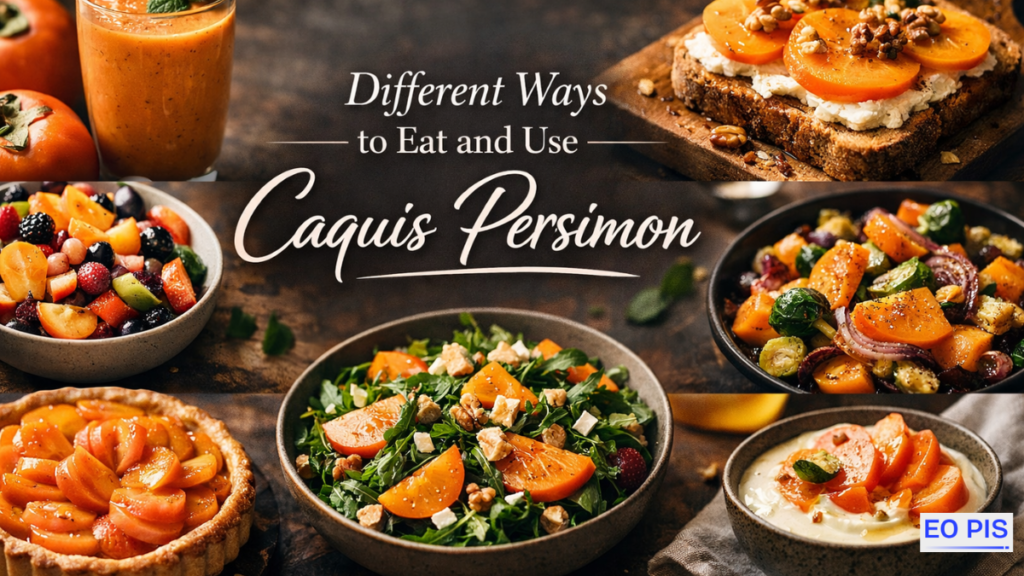
It can be enjoyed fresh as a snack, sliced into fruit salads, blended into smoothies, or incorporated into baked desserts. Because it holds its shape well, the fruit also works nicely in roasted vegetable dishes or light sauces.
For home cooks exploring Caquis Persimon recipes, the fruit pairs especially well with leafy greens, nuts, yogurt, and mild cheeses.
Fresh Eating vs Cooking with Caquis Persimon
Eating the fruit fresh preserves its crisp texture and nutritional value. Fresh slices make an easy snack and can be added to breakfast bowls or salads.
Cooking, however, reveals another side of the fruit. When roasted or baked, Caquis Persimon develops a deeper sweetness that works well in tarts, cakes, and compotes. Because it is firmer than many persimmon varieties, it maintains structure during cooking.
How to Store Caquis Persimon and Extend Shelf Life
Proper storage helps maintain flavor and texture. Fresh fruit can be kept at room temperature for short periods, but refrigeration slows ripening and preserves freshness longer.
Consumers should avoid stacking heavy produce on top of persimmons to prevent bruising. With proper storage, the fruit can remain in good condition for several days after purchase.
When Is Caquis Persimon in Season?
The Caquis Persimon season typically runs from October through January, aligning with autumn harvest cycles in Spain.
During this period, the fruit is most widely available across European produce markets and increasingly appears in international supermarkets as part of seasonal fruit production.
Where to Buy Caquis Persimon
The expanding global markets for Caquis Persimon mean the fruit is no longer limited to Spain. It can now be found in large grocery chains, specialty produce stores, and seasonal farmers’ markets.
As the fruit export markets continue to grow, Caquis Persimon is becoming more common in North America and Asia as well.
Protected Designation of Origin (PDO) and Quality Standards
A major factor behind the fruit’s reputation is its food quality certification. Caquis Persimon is protected under the Protected Designation of Origin (PDO) system known as Kaki Ribera del Xúquer.
This certification ensures that fruit labeled with the Persimon brand is grown in a specific region of Spain and adheres to regulated agricultural standards. PDO labeling also protects the authenticity of the fruit and guarantees consistent flavor and quality.
Is Caquis Persimon Worth Adding to Your Diet?
For many households, Caquis Persimon offers a practical balance of flavor, nutrition, and convenience. Its firm texture makes it easy to prepare, and its nutrient content supports a balanced diet.
While the fruit may be seasonal and occasionally more expensive than common fruits, many consumers consider it worthwhile because it serves as a naturally sweet alternative to processed snacks.
Sustainability and the Future of Caquis Persimon Farming
As production expands, sustainable farming practices have become a focus in Mediterranean agriculture. Farmers are improving irrigation systems, managing soil health, and adopting environmentally responsible cultivation techniques.
These steps contribute to agricultural sustainability while supporting the long-term growth of Caquis Persimon farming. As interest in nutritious whole foods continues to rise, the fruit’s role in international produce markets is expected to grow.
Conclusion
The Caquis Persimon fruit represents a modern evolution of traditional persimmon cultivation. Derived from Diospyros kaki and refined through careful post-harvest treatment, it delivers a non-astringent persimmon that can be enjoyed while firm. Its combination of flavor, nutritional value, and culinary versatility explains why the fruit has gained recognition across global markets.
From its origins in China, Japan, and Korea to its modern production in Valencia’s Ribera del Xúquer, Caquis Persimon reflects the intersection of agricultural tradition and innovation. For consumers seeking seasonal produce that supports health and offers flexible uses in the kitchen, Caquis Persimon is a fruit well worth exploring.
You May Also Like Mannacote: Healthy Comfort Food Guide
FAQs About Caquis Persimon
1. What is the difference between Caquis Persimon and regular persimmons?
Caquis Persimon is a type of persimmon from the species Diospyros kaki that undergoes a de-astringency process, allowing it to be eaten while still firm. Many traditional persimmons must soften completely before they taste pleasant. This processing makes Caquis Persimon easier to slice, store, and use in recipes.
2. Can you eat Caquis Persimon while it is still firm?
Yes, Caquis Persimon is specifically designed to be eaten firm. A carbon dioxide post-harvest treatment removes the tannins that normally cause bitterness in unripe persimmons. As a result, the fruit stays crisp and sweet instead of needing to soften first.
3. Is the skin of Caquis Persimon edible?
Yes, the skin of Caquis Persimon is edible and safe to eat. Most people simply rinse the fruit and slice it like an apple. However, if the skin feels thick or waxy from storage, peeling it can improve the eating experience.
4. Are there any downsides or risks to eating Caquis Persimon?
Caquis Persimon is generally safe and nutritious, but eating very large amounts can cause digestive discomfort due to its fiber and tannin content. People with sensitive digestion or those prone to fruit allergies should try small portions first. Like most fruits, moderation is recommended.
5. Why is Caquis Persimon often more expensive than regular persimmons?
The higher price usually reflects its controlled processing, strict quality standards, and limited growing region. Most authentic Caquis Persimon comes from Spain’s Ribera del Xúquer area under Protected Designation of Origin (PDO) certification. This regulated production and export process increases costs but ensures consistent quality.