In a competitive business landscape, every element of a company’s branding plays a crucial role in building an identity that resonates with employees, clients, and visitors alike. Office signage is no exception. Modern office signage has evolved beyond basic directional or informational displays.
It now plays an essential part in communicating a brand’s identity, values, and culture. From sleek, minimalist designs to bold, interactive installations, office signage has become a powerful tool for brand differentiation.
Sustainability In Office Signage
As sustainability becomes a central focus, eco-friendly signage is on the rise. Companies are opting for materials like reclaimed wood, bamboo, recycled plastics, and natural stone for their signage and graphic installation. These materials reduce the carbon footprint and send a strong message about the company’s commitment to environmental responsibility.
Additionally, eco-conscious printing methods, such as UV printing and water-based inks, are gaining traction for their reduced waste and lower environmental impact, aligning with sustainable brand values.
The Shift To Interactive And Digital Signage
Traditional static signs are being replaced by more dynamic, interactive solutions. Digital signage, in particular, has gained popularity for its ability to deliver engaging content in real-time. Interactive displays allow employees and visitors to interact with the brand in innovative ways.
From touchscreens providing directions and company info to digital walls showcasing real-time data or employee achievements, digital signage enhances the office environment and fosters engagement. It also incorporates design elements like 3D letters for wall, boosting employee morale by highlighting company milestones and employee recognition.
Brand Storytelling Through Design
Modern office signage is not only functional but also a reflection of a brand’s story and values. Businesses use signage to tell compelling narratives that go beyond logos and taglines. For instance, a company might use timelines or murals on office walls to showcase their milestones or values like innovation and sustainability.
These design elements, along with event branding, strengthen the brand’s cultural presence and inspire a deeper connection with both employees and visitors. Through thoughtful design, brands make their values tangible and visible within the office space.
Minimalist And Clean Designs
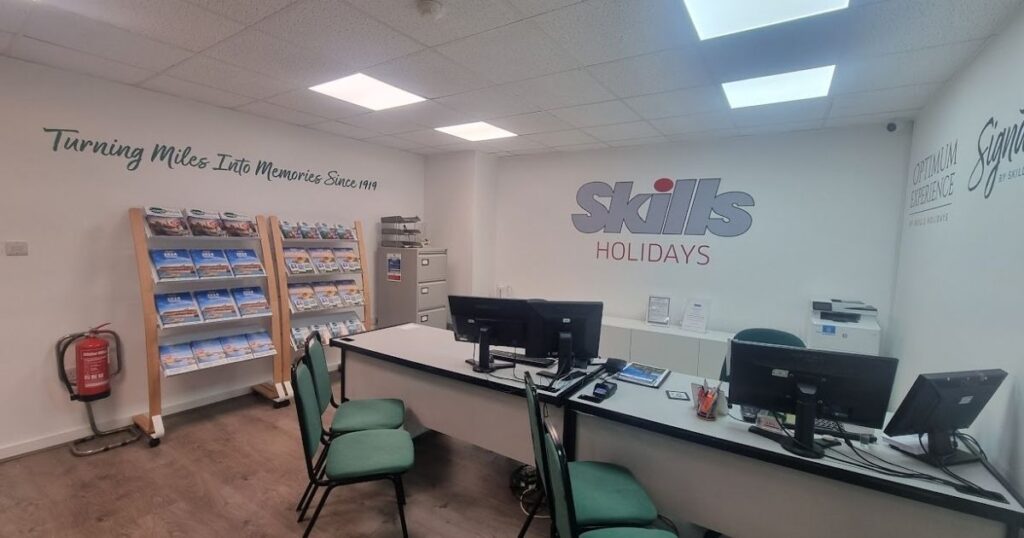
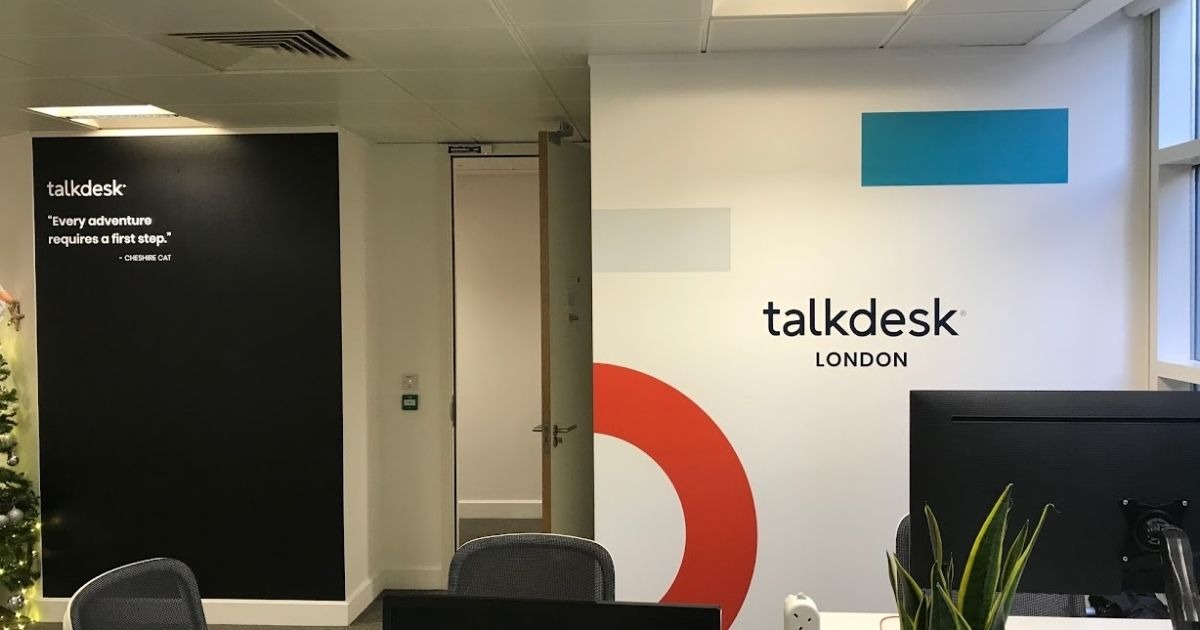
Minimalist signage has become a prominent trend in modern office spaces, creating a sophisticated and uncluttered environment. This style is particularly popular among tech companies and startups where simplicity is central to their brand identity. Minimalist signage typically features clean lines, bold typography, and limited color palettes, adding to the modern, cohesive look.
Materials like sleek metal, acrylic, and glass are commonly used, and by eliminating unnecessary elements, minimalist signage helps the brand’s message stand out while maintaining a refined atmosphere.
Biophilic Signage Integration
Biophilic design is gaining momentum, and office signage is following suit by incorporating elements of nature. This type of signage integrates natural materials such as living plants, wood, and organic textures into the design. Not only does this enhance the space’s aesthetics, but it also promotes wellness and sustainability.
Living moss walls, wooden signs, and greenery-framed signs create a calming and inviting atmosphere. Companies focused on wellness and sustainability are particularly fond of this approach, creating environments that reflect their core values.
Wayfinding Signage For Better Navigation
Wayfinding signage has evolved into more sophisticated and intuitive systems, helping employees and visitors navigate complex office layouts. Modern office spaces, with open floor plans and multiple levels, benefit from advanced wayfinding signage. These systems use clear typography, icons, and color-coded routes to make navigation easier.
Larger offices often incorporate digital wayfinding solutions, with interactive screens displaying real-time room availability and floor plans. This trend enhances the overall organisation and user experience within the office environment.
Personalisation And Customisation
Personalised signage is gaining popularity as businesses seek to create more individualised experiences for employees and visitors. Custom nameplates, signage highlighting team achievements, or signs for specific departments enhance the sense of ownership and alignment within the workplace.
This trend not only creates a more welcoming environment but also fosters pride among employees. By adding personal touches, companies can improve engagement and productivity, making the office space feel more connected to its inhabitants.
Innovative Signage Shapes And Materials
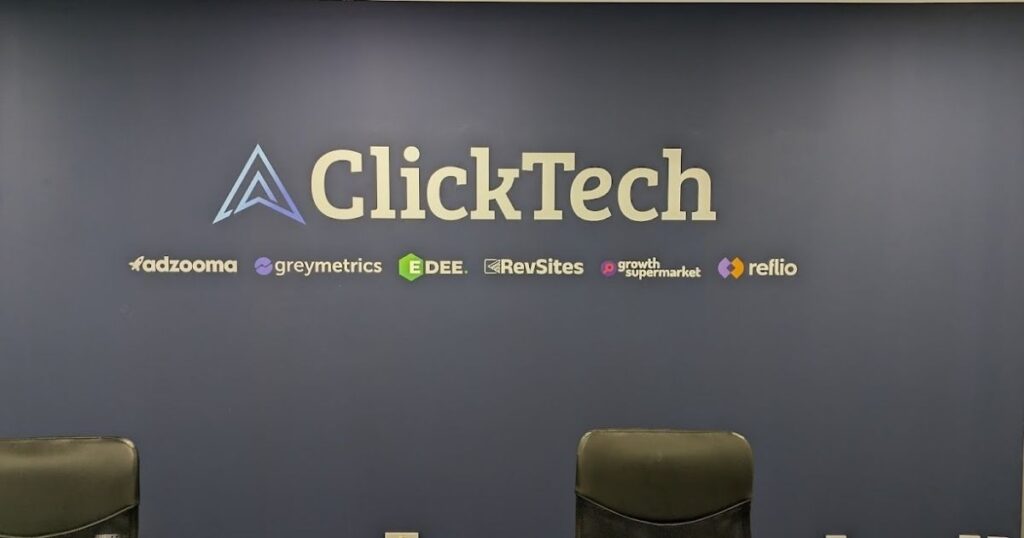
The traditional rectangular sign is being replaced with more unique and creative shapes that make a statement. Companies are experimenting with abstract, geometric forms and unconventional materials. From neon lights to custom-cut metal logos, these innovative signage elements represent a brand’s creativity and forward-thinking approach.
The mounting of signage is also evolving, with floating signs, suspended structures, and 3D displays adding a new dimension to branding. These designs move away from conventional signage, incorporating depth and texture that captivate attention.
Make Your Brand Stand Out With Signage
Modern office signage has become more than just a functional necessity. It’s a strategic branding tool that helps define a company’s identity. From eco-friendly materials to innovative digital displays, brands are using signage to make bold statements, tell stories, and create environments that foster collaboration and engagement.
The trends shaping office signage reflect the evolving priorities of businesses sustainability, personalisation, creativity, and technology. As companies continue to adapt to the changing needs of their employees and clients, office signage will remain a critical part of their branding strategy, helping to communicate values, guide people, and create lasting impressions.