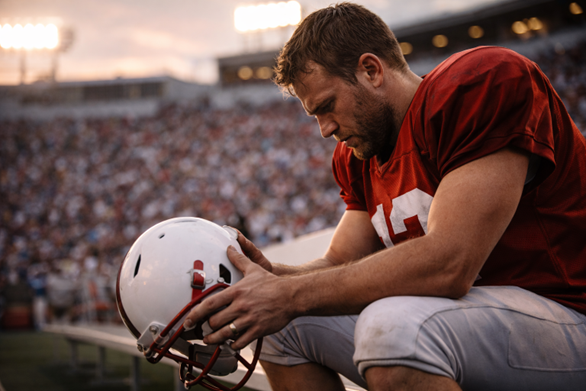
For decades, getting your bell rung was just part of the game. Football players walked it off. Boxers shook it out between rounds. Rugby coaches told you to drink some water and get back on the pitch. Nobody used the word “concussion” unless someone was literally unconscious.
That era is over, and the shift didn’t happen because athletes suddenly became soft. It happened because science caught up with the damage.
What Repeated Impacts Actually Do to the Brain
The conversation changed in a big way when researchers at Boston University began publishing findings on Chronic Traumatic Encephalopathy — CTE — a degenerative brain condition found in athletes who suffered repeated head trauma. The studies, which examined the brains of deceased NFL players, revealed that the vast majority showed signs of the disease. We’re talking memory loss, mood swings, impaired judgment, and in severe cases, full cognitive collapse.
But CTE is only the extreme end. Below that threshold sits a much larger population of former athletes dealing with subtler problems difficulty concentrating, slower processing speed, trouble finding the right word in conversation. These aren’t the kinds of symptoms that make headlines, but they quietly reshape a person’s daily life.
The Push for Baseline Testing
One of the biggest changes in professional and amateur sports over the past few years has been the adoption of cognitive baseline testing. The idea is simple: measure an athlete’s brain function before the season starts, so if they take a hit, doctors have something to compare against.
Several tools are used for this, but one that’s gained traction well beyond the sidelines is the MoCA test, a 10-minute screening that evaluates memory, attention, executive function, and orientation. Originally developed to detect early signs of cognitive impairment in clinical settings, it’s now being referenced in sports medicine conversations as a quick and reliable way to flag when something isn’t right upstairs.
The NFL, NHL, and several rugby governing bodies have all moved toward more rigorous return-to-play protocols that include cognitive evaluations. And at the youth level, parents are starting to demand the same protections for their kids.
It’s Not Just Contact Sports
Here’s something people don’t talk about enough: heading a soccer ball counts. A 2022 study published in Frontiers in Neurology found that soccer players who frequently headed the ball showed measurable changes in white matter — the brain’s wiring. Women’s soccer, in particular, has come under scrutiny because female athletes appear more susceptible to concussion effects than their male counterparts, though the reasons are still being studied.
Even cycling, skiing, and skateboarding carry real risk. Any sport where your head can hit something hard — or something hard can hit your head — puts long-term brain health on the line.
Why This Matters Beyond the Field
The athletes raising awareness about brain health aren’t just protecting themselves. They’re normalizing the idea that cognitive function deserves the same attention as a torn ACL or a broken collarbone. You wouldn’t play through a fractured wrist. Treating an invisible brain injury differently doesn’t make you tough. It makes you reckless.
For retired athletes and weekend warriors alike, the takeaway is straightforward: know your baseline, pay attention to changes, and stop treating your brain like it’s invincible. The toughest thing you can do is actually take care of it.