Innovative technologies such as professional energy containers are changing the way electricity will be produced and used as the demand for renewable and efficient forms of energy continues to increase across the globe. Photovoltaic containers provide an ideal combination of portability, efficiency, and sustainability for residential and commercial applications.
A photovoltaic container can be thought of as a modular complete solar energy system designed to be easily installed at your location, with the ability to be shipped to a new location if you move. Photovoltaic containers can provide an efficient way to generate, store and distribute electricity virtually anywhere, without relying on traditional power distribution systems (utility companies).
In this we define photovoltaic containers, review how they operate and their components; discuss the benefits of photovoltaic container systems, and provide a step-by-step approach to creating a photovoltaic container for your own use.
What Is a Photovoltaic Container?
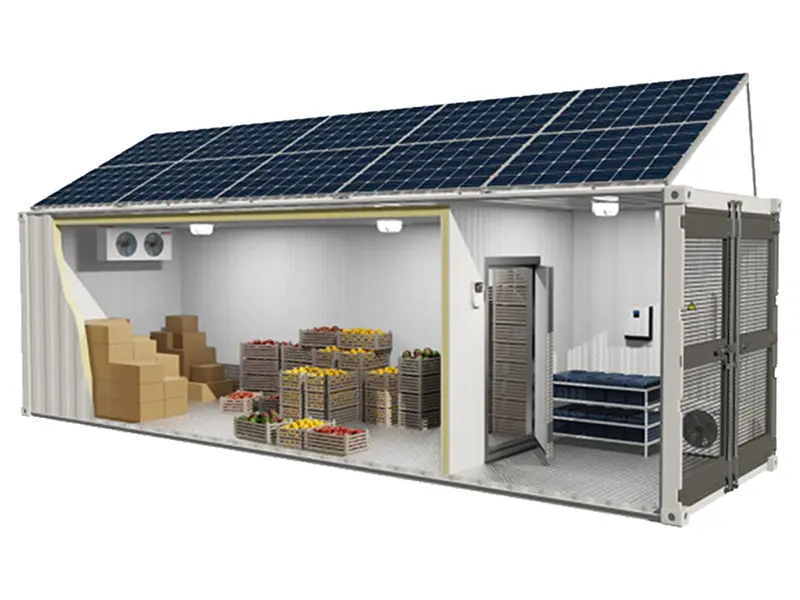
A modular solar energy generation system stored inside a shipping crate or other modular structure; all of the major components needed to create a solar power generation installation are consolidated within the container and therefore will have an easy-to-use, compact system comprising the following elements:
- Photovoltaic panels
- Batteries
- Inverters
- Battery charge controllers;
- Monitoring systems.
The container was created with the intent to provide off-grid solar power (not connected to the utility grid) for applications in remote locations, construction job sites, over-the-road transport of electrical equipment or supplies and emergency backup power.
What Is a Portable Solar Container?
Portable solar containers are a more versatile form of photovoltaics that allow users to easily transport them from one location to another.
Some of the key features of portable solar containers are:
- Easy to plug in / plug out are their plug-and-play designs.
- Extendible and foldable solar panels.
- Small, lightweight, and goes where you are going.
- Easily relocate when needed.
Portable solar containers are the perfect product for those who require dependable electricity while on the move!
How Does a Photovoltaic Container Work?
It is important to know how a solar powered (photovoltaic) container works before one can efficiently optimize its performance:
1) Solar Power System:
Capturing sun from the panels located either on or in the container is the first step in producing energy, which then creates direct current (DC) electricity.
2) Regulation System:
The charge regulator controls the electricity produced to ensure neither overcharging nor damaging the battery system.
3) Energy Storage:
Afterwards, the direct current (DC) energy produced will be saved in large capacity battery packs (generally lithium batteries) for use when there is not sufficient sunlight available.
4) Power Conversion (AC):
The battery then powers any appliance or device using stored DC energy by means of converting it into alternating current (AC) with a power inverter.
5) Energy Distribution
The distributed energy system sends electricity to multiple output ports for powering various devices, machinery or even buildings.
6) Smart Monitoring:
A part from the above considerations, the vast majority of solar tanks produced today come with advanced monitoring technology that lets you track energy generation, battery storage, and energy usage, ensuring maximum efficiency of your solar installation system as a whole.
Step-by-Step Guide to Setting Up a Photovoltaic Container
Establishment of a portable solar container is a simple process, if done the right way.
Step 1: Assess Your Energy Requirements
Determine your energy usage each day by writing down:
- Appliances
- Power ratings
- Usage hours
This helps determine the size of the system you need.
Step 2: Select the Right Container System
Choose a photovoltaic container based on:
- Energy capacity
- Battery size
- Portability requirements
Step 3: Choose an Optimal Location
Place the container where:
- Sunlight exposure is maximum
- There is minimal shading
- The ground is stable
Step 4: Deploy the Solar Panels
- Extend or unfold panels
- Adjust tilt angle (15°–40°)
- Ensure panels face direct sunlight
Step 5: Connect the System Components
Ensure:
- Batteries are properly connected
- Inverter settings match your needs
- All wiring is secure
Step 6: Test the System
- Power output
- Battery charging
- Device compatibility
Step 7: Monitor and Optimize Performance
Leverage internal resources for monitoring performance and increasing efficiency.
Key Benefits of Photovoltaic Containers
Energy Independence
1 – By using a photovoltaic container, you can produce your own electrical power without being dependent upon the electrical grid for electricity.
Portability
2 – A portable solar container can be easily transported, thus making it very suitable for mobile applications.
Quick Deployment
3 – These containers can be up and running in as little as hours, unlike traditional solar systems.
Cost Savings
4 – Decreased electric bills, plus no fuel costs over time.
Applications of Photovoltaic Containers
These systems are versatile and widely used in:
- Off-grid homes
- Construction sites
- Disaster relief operations
- Agricultural projects
- Military and remote operations
Why Choose a Portable Solar Container?
A portable solar container offers unmatched convenience and flexibility.
Key advantages:
- Easy setup
- Scalable design
- Durable construction
Tips to Maximize Efficiency
To get the best photovoltaic container:
- Clean solar panels regularly
- Avoid shading
- Watch energy consumption
- Install efficient devices
- Keep batteries healthy
Future of Photovoltaic Container Technology
The innovations currently taking place within the solar industry include:
- AI technology for optimal energy management
- Improved efficiency of photovoltaic modules (solar cells)
- Advanced energy storage systems
- Intelligent monitoring equipment
Conclusion
Photovoltaic containers are the future of clean and portable energy generation. All necessary pieces are combined into one system that makes deploying solar power easy while providing consistent performance.
Portable solar containers are an ideal energy solution for off-grid living, business operations or emergency backup; you just need to understand their operation and follow proper setup instructions to get the most usage from them and receive long-term use.
Taking advantage of solar technology clearly demonstrates that now is your chance to invest in a stable, reliable source of energy for your future Energy usage until you run out of resources.
Innovative technologies such as professional energy containers are changing the way electricity will be produced and used as the demand for renewable and efficient forms of energy continues to increase across the globe. Photovoltaic containers provide an ideal combination of portability, efficiency, and sustainability for residential and commercial applications.
A photovoltaic container can be thought of as a modular complete solar energy system designed to be easily installed at your location, with the ability to be shipped to a new location if you move. Photovoltaic containers can provide an efficient way to generate, store and distribute electricity virtually anywhere, without relying on traditional power distribution systems (utility companies).
In this we define photovoltaic containers, review how they operate and their components; discuss the benefits of photovoltaic container systems, and provide a step-by-step approach to creating a photovoltaic container for your own use.
What Is a Photovoltaic Container?
A modular solar energy generation system stored inside a shipping crate or other modular structure; all of the major components needed to create a solar power generation installation are consolidated within the container and therefore will have an easy-to-use, compact system comprising the following elements:
- Photovoltaic panels
- Batteries
- Inverters
- Battery charge controllers;
- Monitoring systems.
The container was created with the intent to provide off-grid solar power (not connected to the utility grid) for applications in remote locations, construction job sites, over-the-road transport of electrical equipment or supplies and emergency backup power.
What Is a Portable Solar Container?
Portable solar containers are a more versatile form of photovoltaics that allow users to easily transport them from one location to another.
Some of the key features of portable solar containers are:
- Easy to plug in / plug out are their plug-and-play designs.
- Extendible and foldable solar panels.
- Small, lightweight, and goes where you are going.
- Easily relocate when needed.
Portable solar containers are the perfect product for those who require dependable electricity while on the move!
How Does a Photovoltaic Container Work?
It is important to know how a solar powered (photovoltaic) container works before one can efficiently optimize its performance:
1) Solar Power System:
Capturing sun from the panels located either on or in the container is the first step in producing energy, which then creates direct current (DC) electricity.
2) Regulation System:
The charge regulator controls the electricity produced to ensure neither overcharging nor damaging the battery system.
3) Energy Storage:
Afterwards, the direct current (DC) energy produced will be saved in large capacity battery packs (generally lithium batteries) for use when there is not sufficient sunlight available.
4) Power Conversion (AC):
The battery then powers any appliance or device using stored DC energy by means of converting it into alternating current (AC) with a power inverter.
5) Energy Distribution
The distributed energy system sends electricity to multiple output ports for powering various devices, machinery or even buildings.
6) Smart Monitoring:
A part from the above considerations, the vast majority of solar tanks produced today come with advanced monitoring technology that lets you track energy generation, battery storage, and energy usage, ensuring maximum efficiency of your solar installation system as a whole.
Step-by-Step Guide to Setting Up a Photovoltaic Container
Establishment of a portable solar container is a simple process, if done the right way.
Step 1: Assess Your Energy Requirements
Determine your energy usage each day by writing down:
- Appliances
- Power ratings
- Usage hours
This helps determine the size of the system you need.
Step 2: Select the Right Container System
Choose a photovoltaic container based on:
- Energy capacity
- Battery size
- Portability requirements
Step 3: Choose an Optimal Location
Place the container where:
- Sunlight exposure is maximum
- There is minimal shading
- The ground is stable
Step 4: Deploy the Solar Panels
- Extend or unfold panels
- Adjust tilt angle (15°–40°)
- Ensure panels face direct sunlight
Step 5: Connect the System Components
Ensure:
- Batteries are properly connected
- Inverter settings match your needs
- All wiring is secure
Step 6: Test the System
- Power output
- Battery charging
- Device compatibility
Step 7: Monitor and Optimize Performance
Leverage internal resources for monitoring performance and increasing efficiency.
Key Benefits of Photovoltaic Containers
Energy Independence
1 – By using a photovoltaic container, you can produce your own electrical power without being dependent upon the electrical grid for electricity.
Portability
2 – A portable solar container can be easily transported, thus making it very suitable for mobile applications.
Quick Deployment
3 – These containers can be up and running in as little as hours, unlike traditional solar systems.
Cost Savings
4 – Decreased electric bills, plus no fuel costs over time.
Applications of Photovoltaic Containers
These systems are versatile and widely used in:
- Off-grid homes
- Construction sites
- Disaster relief operations
- Agricultural projects
- Military and remote operations
Why Choose a Portable Solar Container?
A portable solar container offers unmatched convenience and flexibility.
Key advantages:
- Easy setup
- Scalable design
- Durable construction
Tips to Maximize Efficiency
To get the best photovoltaic container:
- Clean solar panels regularly
- Avoid shading
- Watch energy consumption
- Install efficient devices
- Keep batteries healthy
Future of Photovoltaic Container Technology
The innovations currently taking place within the solar industry include:
- AI technology for optimal energy management
- Improved efficiency of photovoltaic modules (solar cells)
- Advanced energy storage systems
- Intelligent monitoring equipment
Conclusion
Photovoltaic containers are the future of clean and portable energy generation. All necessary pieces are combined into one system that makes deploying solar power easy while providing consistent performance.
Portable solar containers are an ideal energy solution for off-grid living, business operations or emergency backup; you just need to understand their operation and follow proper setup instructions to get the most usage from them and receive long-term use.
Taking advantage of solar technology clearly demonstrates that now is your chance to invest in a stable, reliable source of energy for your future Energy usage until you run out of resources.