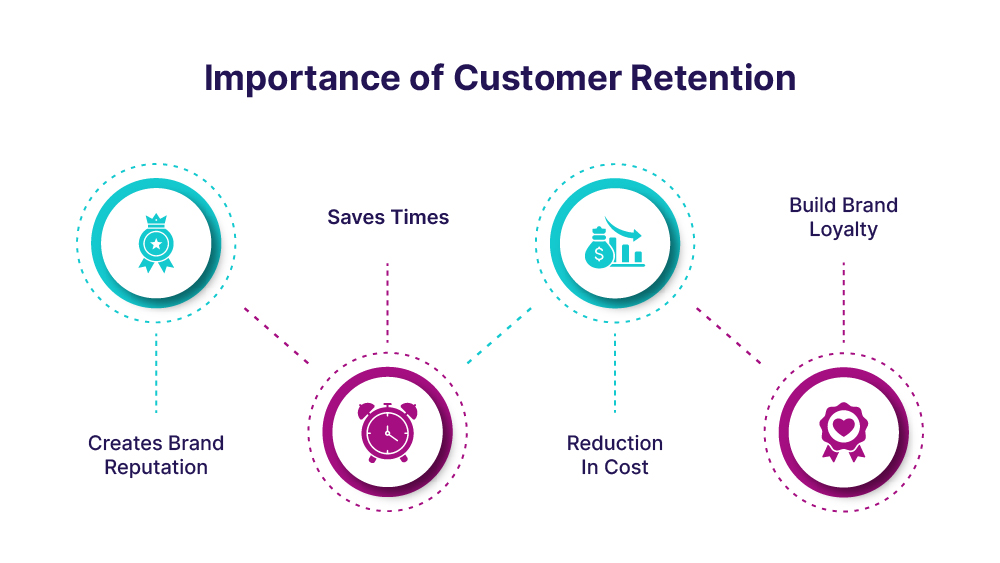
In eCommerce, acquiring new customers is expensive. Ads cost more, competition is tougher, and attention spans are shorter than ever. That is why smart brands are shifting their focus from constant acquisition to long-term customer retention. The most effective way to do this today is through data-driven eCommerce marketing.
When businesses use data properly, they stop guessing what customers want. Instead, they understand behavior, preferences, and buying patterns. This allows them to create experiences that feel personal, relevant, and timely. And those experiences are what keep customers coming back.
What Data-Driven eCommerce Marketing Really Means
Data-driven eCommerce marketing is not just about tracking sales numbers. It is about collecting and analyzing meaningful customer data and using it to guide marketing decisions.
This data can include browsing behavior, purchase history, email engagement, product views, time spent on pages, and feedback. When all of this information is connected, it tells a clear story about how customers interact with your brand.
Instead of running the same campaigns for everyone, brands can segment users and tailor their messaging. This leads to higher engagement and stronger loyalty over time.
Understanding Customer Behavior Through Data
One of the biggest benefits of data-driven marketing is the ability to understand why customers behave the way they do.
For example, data can reveal:
- Which products customers return to multiple times before buying
- Where users drop off during the checkout process
- What type of content encourages repeat visits
- How pricing or promotions impact purchasing decisions
When you understand these patterns, you can remove friction from the buying journey. Small improvements based on real data often lead to significant increases in retention.
Customers stay loyal to brands that feel easy to use and understand their needs.
Personalization That Builds Long-Term Relationships
Personalization is one of the strongest drivers of customer retention, and it only works when powered by data.
Using customer data, eCommerce brands can:
- Recommend products based on previous purchases
- Send personalized emails instead of generic promotions
- Show relevant offers based on browsing history
- Customize landing pages for returning visitors
When customers see content that matches their interests, they feel valued rather than targeted. This builds trust and encourages repeat purchases.
Personalization also makes customers more likely to engage with your emails and notifications, which keeps your brand top of mind without being intrusive.
Improving Product Trust With Customer Feedback
Trust plays a major role in whether a customer returns or not. Data-driven brands actively analyze customer feedback to improve products and messaging.
By monitoring reviews, businesses can identify common concerns, product strengths, and areas that need improvement. This feedback helps in two ways.
First, it allows brands to fix real issues that might be pushing customers away. Second, it helps marketing teams highlight features that customers genuinely appreciate.
When shoppers see that a brand listens to feedback and makes improvements, they feel more confident purchasing again.
Smarter Retention Campaigns With Predictive Insights
Data allows brands to predict future behavior, not just analyze past actions. This is a powerful advantage for retention.
For example, predictive data can help identify:
- Customers who are likely to churn
- Shoppers who may respond to a discount
- Loyal buyers ready for upsells or cross-sells
With these insights, marketers can take action before a customer disengages. A timely email, a loyalty reward, or a personalized offer can bring customers back at the right moment.
Instead of reacting to lost customers, data-driven marketing helps prevent churn altogether.
Optimizing Communication Across Channels
Retention is not about sending more messages. It is about sending the right message through the right channel.
Customer data helps determine whether users respond better to email, SMS, push notifications, or social media. It also shows the best time to reach them.
By aligning communication with user behavior, brands avoid overwhelming customers. This thoughtful approach improves engagement and reduces unsubscribe rates.
When combined with broader digital marketing strategies, data-driven insights ensure consistent messaging across all touchpoints, creating a seamless customer experience.
Measuring What Actually Keeps Customers Coming Back
One of the most overlooked benefits of data-driven marketing is clarity. Instead of relying on assumptions, brands can measure exactly what impacts retention.
Metrics such as repeat purchase rate, customer lifetime value, and engagement frequency provide a clear picture of loyalty. These insights allow teams to double down on what works and eliminate ineffective efforts.
Over time, this leads to more efficient marketing spend and stronger customer relationships.
Why Data-Driven Brands Win in the Long Run
Customers expect relevance, speed, and personalization. Brands that fail to meet these expectations quickly lose attention.
Data-driven eCommerce marketing creates experiences that feel intuitive and human. It helps businesses understand their audience, respond to their needs, and grow loyalty naturally.
Retention is no longer about aggressive discounts or constant promotions. It is about understanding customers deeply and serving them better with every interaction.
Brands that invest in data today are not just improving retention. They are building long-term relationships that fuel sustainable growth.