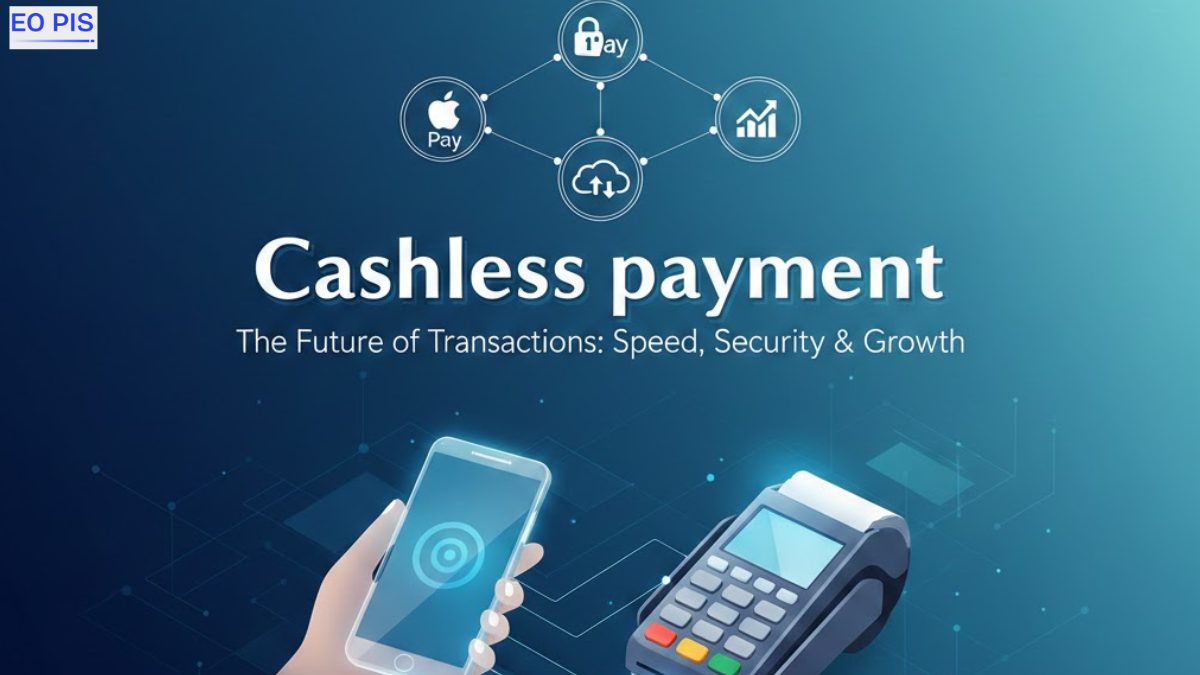
Cashless payment has moved from convenience to necessity in today’s digital economy. Whether you’re tapping a card, using Apple Pay, or managing online banking payments, modern digital transactions now define how money moves. For consumers, cash-free transactions offer speed and visibility. For companies, cashless payment for businesses improves operational control and customer reach.
This guide explains how cashless payment works, why electronic payments are growing, how secure they really are, and what the shift means for both personal finance and business strategy.
What Is Cashless Payment and How Does It Work in Daily Life?
A cashless payment is any transaction completed without physical currency. Instead of bills and coins, payments move electronically through cards, mobile wallets, bank transfers, or QR code payments. These electronic payments rely on connected payment processing networks that verify identity, authorize funds, and complete transfers in seconds.
In daily life, this shows up in retail payments, e-commerce payments, ride-sharing apps, subscription services, and even service industry payments like salons or home repairs. What feels like a simple tap triggers a complex but efficient fund transfer process between an issuing bank, an acquiring bank, and secure payment networks.
Why Are Cashless Payments Growing So Fast Worldwide?
The rise of cashless payments is closely linked to convenience and infrastructure maturity. Faster internet access, smartphones, and improved payment infrastructure have made digital checkout processes seamless.
Another major factor was COVID-driven contactless adoption. During the pandemic, contactless payments became not just convenient but essential. That shift accelerated global digital transformation, pushing both consumers and businesses toward long-term digital habits.
Beyond convenience, businesses see measurable gains in operational efficiency, better record-keeping & tracking, and improved customer satisfaction.
How Consumer Habits Are Shifting Toward Digital Transactions
Consumers increasingly expect seamless transactions. Waiting for change feels outdated when a tap completes a purchase instantly. Tools like Google Pay, Samsung Pay, and even legacy platforms such as Android Pay have normalized wallet-free payments.
An overlooked insight is behavioral adaptation. When spending becomes digital, people rely more on transaction history than memory. This directly influences budgeting & expense tracking habits. Visibility changes behavior.
Is Cashless Payment Safe? Understanding Trust and Security
A common question is whether digital transactions are safe. Modern systems use encryption & tokenization, fraud detection systems, and layered transaction authentication to protect payments. Many platforms rely on biometric verification, including fingerprint authentication and facial recognition, to reduce unauthorized access.
Security is rarely about weak systems. It’s often about poor user practices. Strong passwords, device security, and awareness of phishing attempts matter more than the payment method itself.
Understanding this distinction is critical when evaluating secure payment methods. The technology is robust; user discipline completes the protection.
What Are the Real Benefits of Cashless Payment for Consumers?
The primary benefits of cashless payments include speed, convenience, and transparency. Every transaction produces digital receipts, making financial oversight easier.
Cashless systems also support financial inclusion by expanding banking accessibility. Mobile wallets allow individuals without traditional banking infrastructure to participate in the digital economy.
A practical implication often missed: digital records reduce disputes. Clear transaction confirmation lowers confusion between customers and merchants.
How Cashless Payments Make Everyday Spending Easier
Daily purchases feel simpler with contactless payments and instant authorization. There’s no need to handle cash or calculate change. The improved customer payment experience reduces friction during checkout.
Businesses also benefit from smoother merchant operations. Reduced cash handling means fewer reconciliation errors and faster closing procedures.
Should You Use Cashless Payments for Bills and Recurring Expenses?
For utilities, subscriptions, and loan repayments, recurring digital payments and payment automation minimize late fees and missed deadlines. Automated systems support reliable subscription billing cycles.
However, over-automation can hide unnecessary recurring charges. Consumers should review digital statements regularly to maintain financial awareness.
How Cashless Transactions Help You Track and Organize Finances
Every digital transaction generates a searchable record. This simplifies tax preparation, budgeting, and long-term planning. Unlike paper receipts, digital logs remain accessible and organized.
This visibility supports smarter financial behavior. When spending patterns are transparent, individuals make more informed decisions.
How Cashless Payments Work Step-by-Step Behind the Scenes
Understanding how cashless payment works builds trust. The process includes initiation, transaction authentication, payment authorization, and final transaction confirmation.
When a payment is initiated through a card or mobile wallet, data moves securely to a payment processor or payment gateway. The issuing bank verifies available funds, while the acquiring bank prepares to receive them. Once authorized, the fund transfer process completes electronically.
Systems like POS (Point-of-Sale) systems and online payment gateways ensure that retail and online transactions integrate smoothly.
What Types of Cashless Payment Methods Are Available Today?
Today’s cash-free transactions include credit and debit cards, mobile payment solutions, online bank transfers, and emerging technologies like cryptocurrency.
Digital wallets such as Apple Pay and Google Pay dominate retail environments, while blockchain-based systems using Bitcoin or Ethereum represent experimental alternatives in blockchain finance.
Which Digital Payment Options Are Most Practical for Daily Use?
The most practical options are those that are widely accepted and easy to use. Cards and mobile wallets integrated with POS systems provide the broadest compatibility across retail and service industries.
For e-commerce, integrated payment gateways ensure fast and secure processing. For small vendors, portable devices like Moneris Go terminals simplify acceptance.
How Businesses Can Set Up and Accept Cashless Payments
Adopting cashless payment for businesses requires reliable business payment systems. This typically includes installing compatible POS systems, selecting secure payment processors, and integrating online payment gateways for e-commerce platforms.
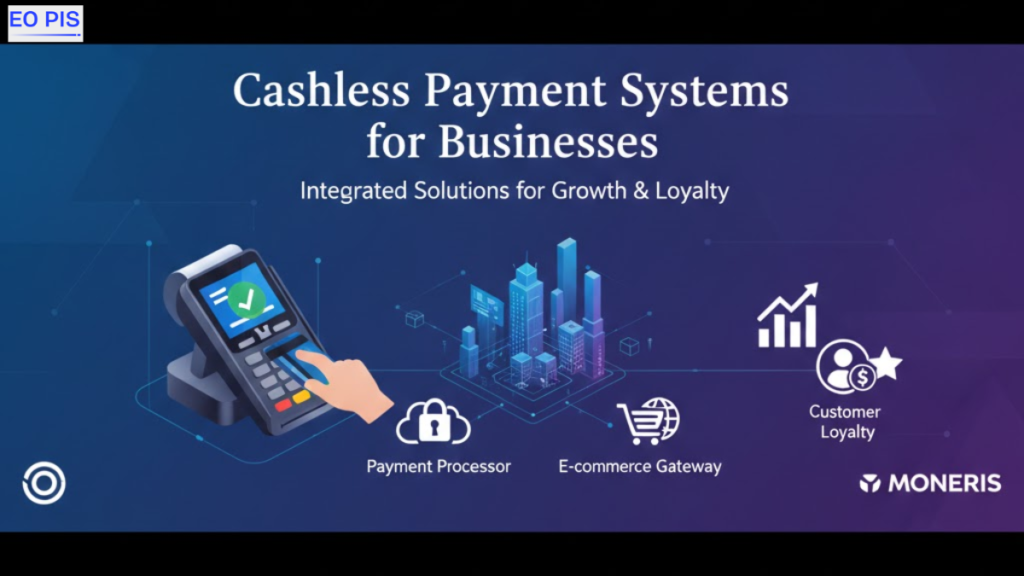
Providers like Moneris offer infrastructure tailored to both large enterprises and small businesses. While small business adoption challenges exist, long-term gains often include better business growth through digital payments and improved customer loyalty.
What Are the Risks and Disadvantages of Going Cashless?
Despite advantages, reliance on internet connectivity creates vulnerability during outages. Privacy concerns also arise when all financial activity becomes traceable.
Additionally, some populations still lack full banking accessibility, meaning a fully cashless society could exclude certain users. Recognizing these limits ensures realistic expectations about the cashless economy trend.
Is a Cashless Lifestyle Worth It for Consumers and Businesses?
For consumers, the shift delivers customer convenience, visibility, and improved financial organization. For businesses, the benefits include faster checkout, improved accounting accuracy, and scalable payment processing systems.
The decision-stage question is not whether cashless payments are beneficial, but how thoughtfully they are implemented. Hybrid models often work best, balancing digital flexibility with contingency options.
Conclusion
The rise of cashless payment reflects a broader transformation in how the modern economy operates. From everyday digital transactions to sophisticated business payment systems, electronic methods now shape retail, ecommerce, and service industries.
Understanding how cashless payments work, recognizing the real benefits, and evaluating risks honestly allows both consumers and businesses to make informed decisions. As payment innovation, biometric payments, and blockchain finance evolve, the trajectory is clear: the global shift toward a more connected, efficient, and secure digital payment environment is accelerating.
Used wisely, cash-free transactions are not just convenient; they are foundational to modern financial life.
You May Also Like Application Mobile DualMedia: Worth Using in 2025?
FAQs
1. Are cashless payments safer than carrying cash?
In most cases, yes. Digital transactions use encryption, tokenization, and authentication layers that make theft and fraud harder than with physical cash. However, safety still depends on user behavior, like securing devices and avoiding phishing.
2. What happens if the internet goes down—can cashless payments still work?
Some systems, like certain POS terminals and contactless cards, can process limited offline transactions and sync later. But many digital payments rely on real-time connectivity, which is why businesses often keep backup payment options.
3. Do cashless payments make people spend more without realizing it?
They can. Because there’s no physical exchange of money, spending may feel less noticeable, which can lead to impulse purchases. Regularly reviewing transaction history helps maintain financial awareness and control.
4. Can small businesses realistically afford to go cashless?
Yes, but it depends on choosing the right setup. Entry-level POS devices and mobile payment solutions reduce upfront costs, and the efficiency gains often offset the investment over time.
5. Is a completely cashless lifestyle practical for everyone?
Not always. People without stable internet access, banking services, or digital literacy may struggle with fully cashless systems. Most experts recommend a hybrid approach where digital payments are primary, but cash remains a backup.