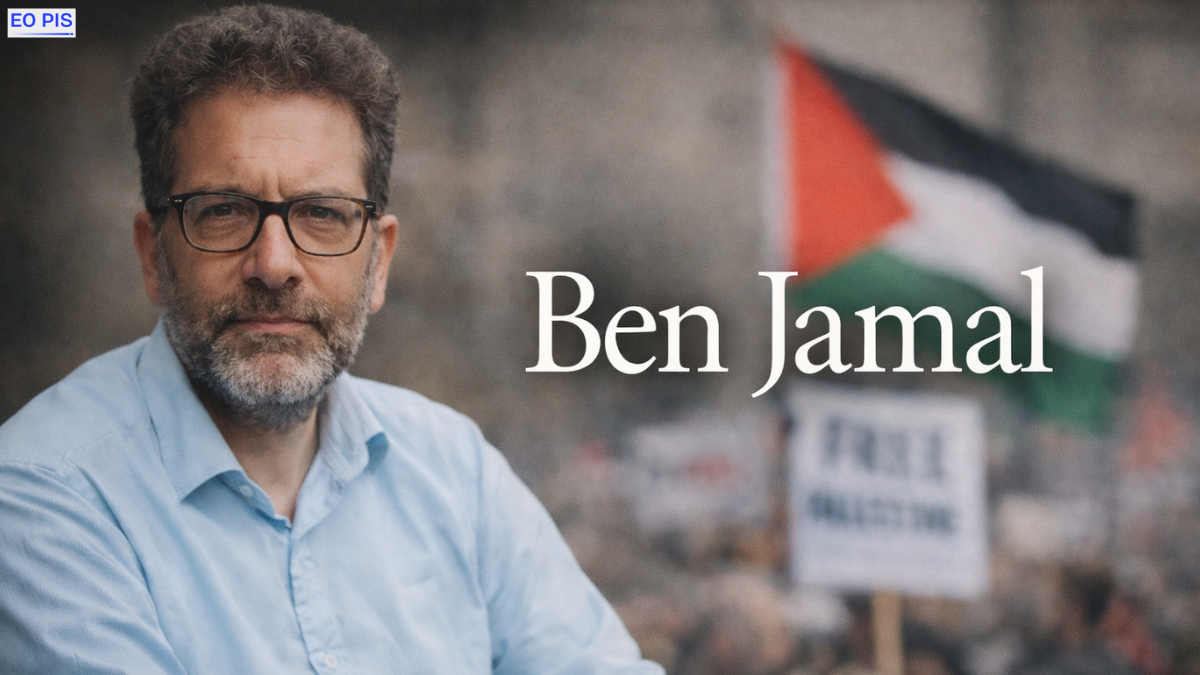
In recent years, Ben Jamal has become one of the most prominent public figures advocating for Palestinian rights in the United Kingdom. As the Director of the Palestine Solidarity Campaign (PSC), he has helped organise some of the largest pro-Palestinian demonstrations in Europe while shaping public debate around human rights, international law, and the Israel-Palestine conflict.
For many observers, Jamal represents a modern form of political activism that blends grassroots mobilisation, media engagement, and policy advocacy. Understanding who Ben Jamal is and why his voice carries influence offers insight into how contemporary solidarity movements operate and how public opinion around global conflicts evolves.
This article explores Ben Jamal’s background, leadership role, activism, and the broader implications of his work.
The Growing Importance of Activist Leadership
Global conflicts often dominate headlines, but public understanding of them rarely develops on its own. Activists, campaign leaders, and civil society organisations frequently play a major role in shaping awareness, organising demonstrations, and influencing public discourse.
In the United Kingdom, Ben Jamal has become one of the key figures connecting grassroots activism with national debate. His leadership of the Palestine Solidarity Campaign places him at the centre of a movement that seeks to draw attention to Palestinian rights and international law.
The rise of visible protest movements across Europe demonstrates a wider trend: many people now see civic activism as an important channel for influencing government policy and international discussions.
Early Life and Personal Background
Ben Jamal’s personal history plays a significant role in shaping his activism. He was born to a Palestinian father from Jerusalem and an English mother, giving him a strong connection to both British and Palestinian cultures.
Growing up in the United Kingdom, Jamal was exposed to diverse political discussions about international affairs and social justice. Stories from his Palestinian heritage helped him understand the historical and political dimensions of the Israel-Palestine conflict at an early age.
This dual cultural perspective later influenced his approach to activism. Rather than focusing solely on identity politics, Jamal often frames his advocacy within broader themes such as human rights, international law, and universal justice.
Professional Experience Before Activism
Before becoming widely recognised in international solidarity movements, Ben Jamal worked in social justice and community support sectors. He held leadership roles in organisations addressing domestic violence and supporting vulnerable communities.
This background in social services shaped many of the skills that later defined his activism:
- Community organisation
- Advocacy for vulnerable populations
- Policy engagement
- Public communication
In practical terms, this experience also gave Jamal credibility. Activists who transition from community work often bring a deeper understanding of how institutional systems operate and how social movements interact with public institutions.
Many successful movement leaders emerge from social service backgrounds rather than political careers. Their experience dealing with real-world social issues often strengthens their ability to mobilise communities and build trust.
Leadership of the Palestine Solidarity Campaign
Ben Jamal currently serves as the Director of the Palestine Solidarity Campaign (PSC), one of the most prominent organisations advocating for Palestinian rights in the UK.
The PSC focuses on several key objectives:
- Raising awareness about Palestinian human rights issues
- Encouraging political engagement and public debate
- Organising demonstrations and educational events
- Advocating for international law and accountability
Under Jamal’s leadership, the organisation has expanded its visibility in national and international discussions about the Middle East.
Large public demonstrations in cities such as London have become a defining feature of PSC activism. These rallies often attract tens or even hundreds of thousands of participants, demonstrating the growing public interest in the issue.
Insight #2:
Modern protest movements increasingly depend on structured organisations like PSC. Without logistical coordination, legal planning, and communication strategies, large demonstrations rarely achieve sustained influence.
Organising Demonstrations and Public Campaigns
One of Ben Jamal’s most visible roles involves coordinating mass demonstrations in support of Palestinian rights.
These events serve multiple purposes:
- Raising public awareness
- Creating media coverage
- Demonstrating political pressure
- Encouraging community participation
While critics sometimes question the effectiveness of protests, supporters argue that public demonstrations remain one of the few ways ordinary citizens can visibly express political views on international issues.
Jamal frequently speaks at these events, delivering speeches that emphasise justice, accountability, and peaceful advocacy.
However, organising demonstrations also comes with challenges, including logistical planning, security concerns, and navigating political tensions.
Insight #3:
Large-scale protests are increasingly shaped by digital coordination. Social media platforms now play a crucial role in mobilising participants, spreading messaging, and sustaining momentum after events.
Influence on Public Debate and Media
Beyond demonstrations, Ben Jamal has also become a regular voice in media discussions about the Israel-Palestine conflict.
He appears in interviews, panel discussions, and public forums where he discusses topics such as:
- International law and humanitarian issues
- Civil society activism
- The role of Western governments in Middle East policy
His communication style often focuses on simplifying complex political issues for broader audiences. This ability to translate complicated geopolitical debates into accessible language has helped expand his influence beyond activist circles.
Insight #4:
Public activism today depends heavily on media literacy. Leaders who understand how to communicate effectively across television, digital media, and social platforms tend to shape public discourse more successfully.
Challenges and Criticism
Advocacy related to the Israel-Palestine conflict inevitably attracts strong opinions from different perspectives.
Supporters praise Ben Jamal for highlighting humanitarian concerns and promoting peaceful activism. Critics, however, sometimes question the positions taken by pro-Palestinian advocacy organisations or debate the messaging used in demonstrations.
Activists in politically sensitive areas often face scrutiny from the media, policymakers, and law enforcement agencies. Public demonstrations must comply with legal regulations, and organisers must navigate complex political dynamics.
Understanding these challenges is important because activism rarely operates in a neutral environment.
Common misconception:
Many people assume activism alone can immediately change policy. In reality, most movements influence change gradually through awareness, public pressure, and long-term engagement.
Why Ben Jamal’s Work Matters Today
The global conversation around the Israel-Palestine conflict continues to evolve, and civil society organisations remain central to shaping that discussion.
Ben Jamal’s leadership highlights a broader pattern in modern activism:
- Public debate is increasingly influenced by organised civil movements.
- Activists often serve as intermediaries between grassroots communities and policymakers.
- International conflicts are now debated not only by governments but also by global citizen networks.
For supporters, Jamal represents an example of how advocacy can amplify humanitarian concerns. For critics, his activism illustrates the complexity of political advocacy in highly contested global conflicts.
Either way, his role demonstrates how individual leadership can shape large-scale social movements.
Conclusion
Ben Jamal has emerged as one of the most influential figures in the UK’s Palestinian solidarity movement. Through his leadership of the Palestine Solidarity Campaign, he has helped mobilise large demonstrations, expand public awareness, and contribute to international discussions about human rights and the Israel-Palestine conflict.
His work reflects a wider shift in how modern activism operates—combining grassroots organisation, media engagement, and global networks of solidarity.
Whether one agrees with his perspective or not, Jamal’s influence illustrates an important reality: in today’s interconnected world, activist leaders can significantly shape how societies discuss international issues.
For observers trying to understand contemporary political movements, Ben Jamal’s activism offers a clear example of how advocacy, public engagement, and leadership intersect in shaping global conversations.
You May Also Like John Harrell: Indiana High School Sports Data Pioneer
FAQs About Ben Jamal
1. Who is Ben Jamal, and why is he well-known?
Ben Jamal is a British-Palestinian activist and the Director of the Palestine Solidarity Campaign in the United Kingdom. He is widely recognised for organising large pro-Palestinian demonstrations and advocating for Palestinian human rights in public debates, media discussions, and political forums.
2. What does the Palestine Solidarity Campaign do under Ben Jamal’s leadership?
The Palestine Solidarity Campaign works to raise awareness about Palestinian rights and international law. Under Ben Jamal’s leadership, the organisation organises demonstrations, educational events, and advocacy campaigns that encourage political engagement and public discussion about the Israel-Palestine conflict.
3. How influential is Ben Jamal in UK political and social discussions?
Ben Jamal has become an important voice in civil society debates about the Middle East. Through media appearances, public speeches, and large demonstrations, his activism has helped bring the Palestinian issue into mainstream conversations across the United Kingdom.
4. Are there controversies or criticisms surrounding Ben Jamal’s activism?
Yes, like many high-profile activists involved in complex geopolitical issues, Ben Jamal’s work sometimes faces criticism from opposing political perspectives. Supporters view his activism as a human rights campaign, while critics debate the messaging and political impact of pro-Palestinian advocacy movements.
5. Can public demonstrations organised by activists like Ben Jamal actually influence policy?
Demonstrations rarely change government policy immediately, but they can shape long-term public opinion and political pressure. Large protests often bring media attention and public debate, which can eventually influence policymakers, civil society discussions, and international awareness of an issue.