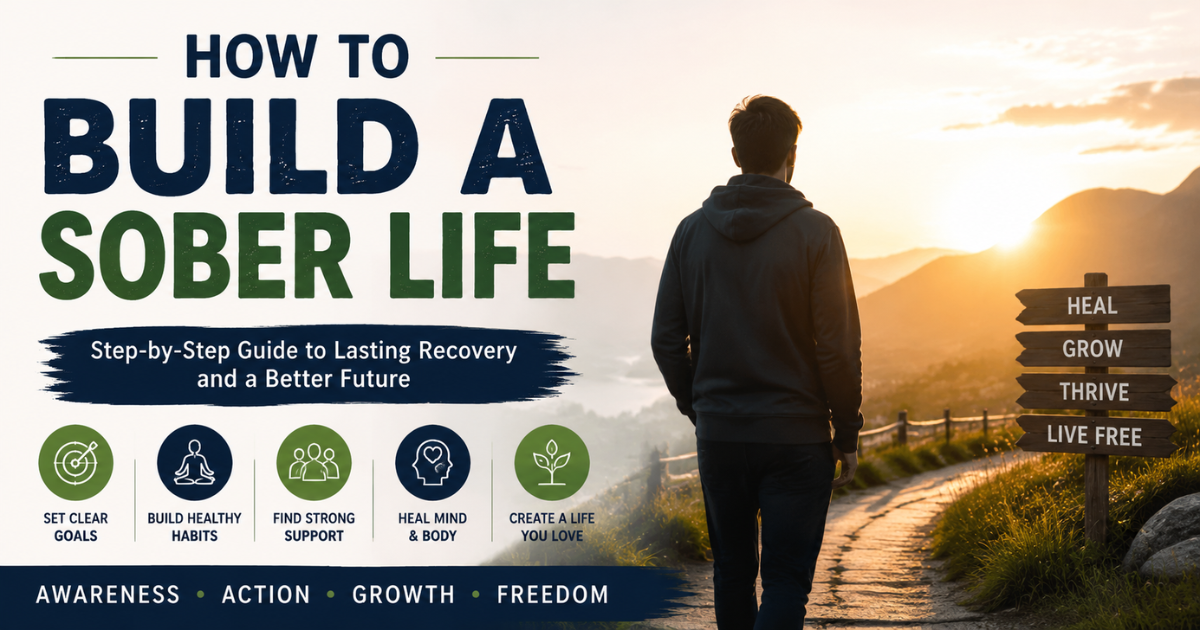
Building a sober life means creating a healthy lifestyle that supports long-term recovery, emotional balance, strong relationships, and personal growth after stopping alcohol or drug use. It is not only about avoiding substances; it is about replacing old patterns with better habits, support systems, and meaningful goals.
A successful sober life is built through daily choices: managing triggers, creating routines, developing emotional strength, and surrounding yourself with people and environments that support your recovery.
What Does Building a Sober Life Really Mean?
A sober life is a lifestyle built around clarity, health, responsibility, and personal development without relying on alcohol or drugs. While sobriety begins with stopping substance use, lasting recovery requires rebuilding the way you think, spend your time, manage emotions, and connect with others.
Many people view sobriety as something they lose, but sustainable recovery often comes from recognizing what they gain: better physical health, improved relationships, stronger confidence, and more control over their future.
Sobriety Is More Than Avoiding Substances
Simply removing substances does not automatically create a fulfilling life. Many people discover that they also need to address stress, emotional pain, unhealthy routines, and environments connected to previous habits.
A strong sober lifestyle focuses on replacing harmful behaviors with positive alternatives such as exercise, creative activities, meaningful work, healthy relationships, and personal goals.
The Difference Between Being Sober and Living Sober
Being sober means not using alcohol or drugs. Living sober means creating a lifestyle where your choices, habits, and environment support continued recovery.
For example, someone can stop drinking but still struggle with isolation, poor sleep, unmanaged stress, or unhealthy relationships. A complete sober life addresses these areas instead of focusing only on abstinence.
Why Creating a Sober Lifestyle Can Be Challenging
Building a sober life requires more than willpower. Addiction often becomes connected to routines, emotions, social situations, and coping mechanisms.
Understanding these challenges helps you prepare instead of feeling surprised when difficulties appear.
Managing Triggers, Cravings, and Old Habits
Triggers can come from places, people, emotions, memories, or stressful situations. A person may experience cravings during difficult moments even after months or years of sobriety.
A practical approach is to identify personal triggers and create alternative responses.
Examples:
- Calling a supportive friend during stressful moments
- Going for a walk when cravings appear
- Practicing breathing exercises
- Leaving environments that encourage substance use
The goal is not to avoid every difficult emotion but to develop healthier ways to handle them.
Rebuilding Identity After Addiction
One of the hardest parts of recovery is answering the question:
“Who am I without this habit?”
Many people spend years connecting their identity with substance use. Building a sober life involves creating a new identity based on values, goals, relationships, and personal achievements.
How to Build a Sober Life Step by Step
Step 1: Define Your Reason for Staying Sober
A clear personal reason creates direction during difficult moments.
Your reason may involve:
- Improving your health
- Repairing relationships
- Becoming a better parent or partner
- Building a career
- Regaining confidence
- Creating emotional stability
Your motivation may change over time, but having a meaningful purpose helps maintain commitment.
Step 2: Create a Daily Routine That Supports Recovery
A structured routine reduces uncertainty and creates healthy patterns.
A supportive daily routine may include:
- Consistent sleep schedule
- Regular meals
- Physical activity
- Time for hobbies
- Reflection or journaling
- Recovery meetings or therapy sessions
From what I’ve seen, many people underestimate how much simple routines influence long-term change. Small daily actions often become the foundation of a completely different lifestyle.
Step 3: Replace Harmful Habits With Healthy Alternatives
Removing a negative habit creates empty space. That space needs to be filled with activities that provide purpose and satisfaction.
Examples include:
| Old Pattern | Healthier Replacement |
| Drinking after work | Exercise, walking, cooking, or hobbies |
| Spending time with unhealthy influences | Connecting with supportive communities |
| Using substances during stress | Meditation, therapy, breathing exercises |
A common mistake is focusing only on what you cannot do instead of building new things you enjoy.
Step 4: Build a Strong Support System
Recovery becomes easier when you do not handle everything alone.
Support may come from:
- Family members
- Trusted friends
- Addiction counselors
- Recovery groups
- Mental health professionals
Organizations such as Alcoholics Anonymous (AA), Narcotics Anonymous (NA), and SMART Recovery provide structured support options for many people.
A Real-World Sober Living Workflow That Actually Works
Creating a sober life becomes easier when recovery is treated as a daily system rather than a single decision.
Morning Routine
A healthy morning may include:
- Reviewing personal goals
- Drinking water and eating properly
- Exercising or stretching
- Planning the day
Starting the day intentionally reduces impulsive decisions.
Afternoon Routine
During the day:
- Stay productive
- Maintain healthy connections
- Avoid unnecessary exposure to triggers
- Take breaks for stress management
Evening Routine
Evenings can be difficult for some people because old habits often happened during this time.
Helpful activities include:
- Preparing tomorrow’s plan
- Reading
- Journaling
- Speaking with supportive people
- Practicing relaxation techniques
In real use, consistency matters more than perfection. Missing one healthy habit does not mean failure; returning to the routine is what builds progress.
Professional Support vs Self-Guided Sobriety
Different people need different levels of support. There is no single recovery path that works for everyone.
| Approach | Best For | Strength | Weakness | Risk | Final Verdict |
| Self-guided sobriety | People with strong support and manageable challenges | Flexible and personal | May lack accountability | Isolation | Works best with a strong support network |
| Support groups | People needing community and accountability | Shared experiences and encouragement | Not everyone prefers group settings | Poor fit with certain personalities | Helpful option for many people |
| Therapy or counseling | People dealing with trauma, emotional issues, or repeated relapse | Professional guidance | Requires time and commitment | Cost or availability barriers | Strong choice when deeper issues exist |
Choose self-guided recovery if you have strong stability, support, and confidence.
Choose professional support if cravings, emotional struggles, or repeated setbacks make recovery difficult.
The best approach is often a combination of personal responsibility and appropriate support.
What Most People Get Wrong About Building a Sober Life
Expecting Motivation Alone to Work
Motivation changes. Systems create consistency.
Someone may feel highly motivated during the first weeks of recovery but struggle later when emotions, stress, or unexpected situations appear.
Building routines, preparing for triggers, and creating accountability are more reliable than depending only on motivation.
Ignoring Emotional Recovery
What most guides miss is that substance use is often connected to deeper emotional patterns.
A person may need to work on:
- Stress management
- Self-esteem
- Trauma recovery
- Communication skills
- Emotional regulation
Addressing these areas can make sobriety more sustainable.
When a Sober Lifestyle Plan Fails and How to Adjust
A sober lifestyle plan may fail when expectations are unrealistic, support is missing, or underlying problems are ignored.
Signs Your Strategy Needs Improvement
You may need to adjust your approach if you experience:
- Increasing isolation
- Frequent thoughts about returning to old habits
- Avoiding support
- Constant emotional distress
- Repeated exposure to risky environments
This may fail when someone tries to completely change everything overnight without building realistic systems.
A practical solution is to make smaller changes, strengthen support, and focus on progress rather than perfection.
Advanced Strategies for Maintaining Long-Term Sobriety
Long-term sobriety involves creating a life that feels rewarding without substances.
Important strategies include:
- Developing meaningful goals
- Learning new skills
- Improving relationships
- Practicing self-awareness
- Building emotional resilience
Modern recovery approaches increasingly combine traditional support methods with digital tools, online communities, and virtual counseling options.
Is Building a Sober Life Worth It?
Building a sober life is worth considering for anyone who wants greater control, improved health, stronger relationships, and a clearer future.
It is not always easy, but a sustainable sober lifestyle can provide benefits that extend far beyond avoiding substances.
Who Benefits Most From a Sober Lifestyle?
A sober lifestyle may be especially valuable for people who:
- Feel alcohol or drugs negatively affect their life
- Want better emotional control
- Need healthier routines
- Want to rebuild relationships
- Are ready for long-term personal growth
The goal is not simply removing something harmful. The goal is creating a life that feels meaningful enough that returning to old habits becomes less appealing.
Final Thoughts: Creating a Sober Life That Lasts
Learning how to build a sober life requires patience, planning, and consistent effort. Recovery is not only about quitting a substance; it is about creating healthier routines, stronger relationships, and a new sense of purpose.
The most effective approach combines personal commitment with practical systems, emotional growth, and support when needed.
A sober life is built one decision at a time. Small improvements repeated consistently can create lasting change.
FAQs
What is the first step to building a sober life?
The first step to building a sober life is identifying your reason for change and creating a realistic plan that supports your recovery. Understanding your triggers, goals, and support needs helps you build a foundation for long-term success.
How do you start living a sober lifestyle?
You can start living a sober lifestyle by removing harmful influences, creating healthy routines, building a support system, and replacing old habits with positive activities. The most effective changes usually happen through consistent daily actions rather than sudden major transformations.
Can someone build a happy life without alcohol or drugs?
Yes, many people build fulfilling lives without alcohol or drugs by developing new sources of purpose, connection, and enjoyment. A common misconception is that sobriety only means giving things up, while many people discover improved health, relationships, and confidence.
Is quitting alone enough to create a sober life?
No, quitting substances is only the beginning of recovery for many people. Long-term sobriety often requires addressing emotional health, lifestyle patterns, relationships, and the situations that previously contributed to substance use.
What is the biggest hidden challenge in maintaining sobriety?
The biggest hidden challenge is often emotional adjustment after quitting substances. People may need to learn new ways to manage stress, boredom, loneliness, and difficult feelings without returning to old coping mechanisms.
You May Also Like European Active Projects