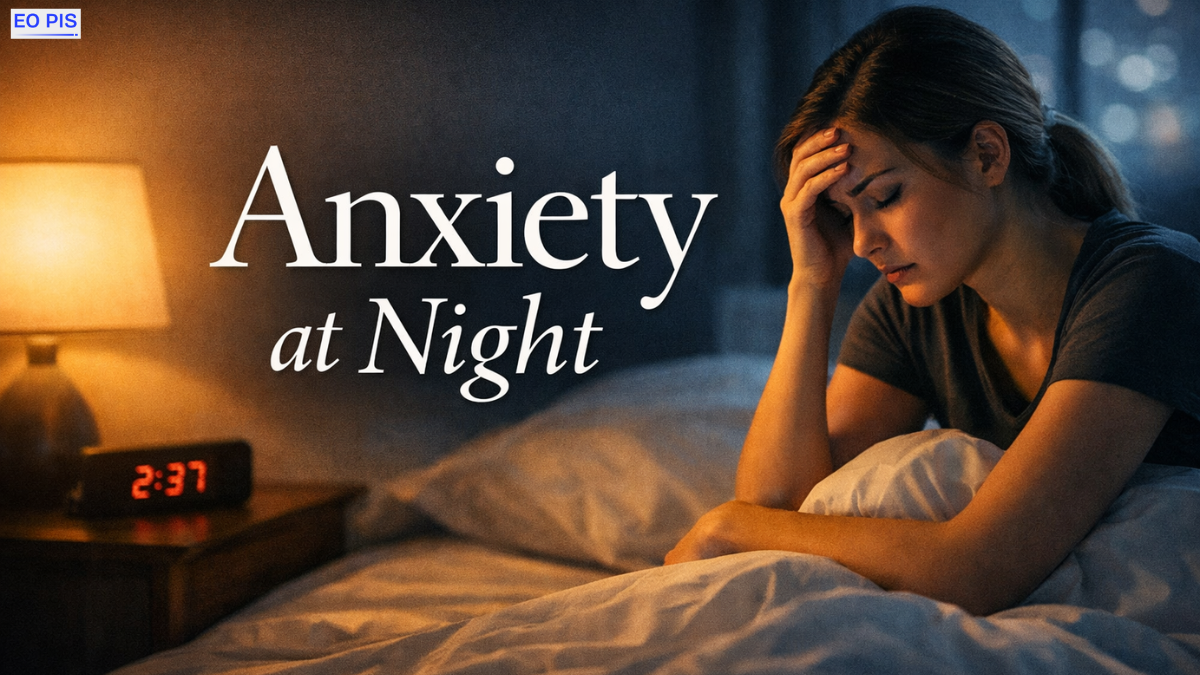
What Is Anxiety at Night?
Anxiety at night, often referred to as nighttime anxiety, occurs when feelings of worry, fear, and restlessness intensify as the day winds down. As the distractions of daily life fade away, anxiety can flare up, leading to disrupted sleep and even nocturnal panic attacks. Unlike daytime anxiety, which is often triggered by external stressors, sleep anxiety can become particularly challenging because your mind has fewer distractions, leaving you alone with your thoughts.
In this guide, we will explore the causes, symptoms, and effective relief strategies for anxiety at night. Whether you’ve experienced it yourself or are simply seeking a better understanding, this article will equip you with practical tools to combat night anxiety and achieve better sleep.
Why Nighttime Anxiety Happens
Nighttime anxiety can be particularly unsettling, but it is a common experience for many. Several factors contribute to its occurrence:
1. The Anxiety-Sleep Cycle
When anxiety at night worsens, it often feeds into a vicious cycle. Worrying about the inability to fall asleep or having anxiety-driven thoughts keeps the body on high alert, making it even harder to relax. The resulting lack of sleep then exacerbates anxiety the next day, perpetuating the cycle of insomnia and anxiety.
2. Cortisol & Circadian Rhythm
During the day, your body’s cortisol levels (the stress hormone) fluctuate, helping you stay alert. However, as night approaches, your cortisol levels naturally decrease to promote rest. For those suffering from night anxiety, elevated cortisol levels can persist, keeping the body in an alert state and making it harder to fall asleep.
Nighttime vs Daytime Anxiety: Key Differences
While both types of anxiety share common symptoms, there are distinct differences between nighttime anxiety and daytime anxiety.
Daytime Anxiety
- Often triggered by external stressors like work, social situations, or daily responsibilities.
- Easier to distract yourself from, as the day is filled with activities.
- Symptoms often include nervousness, restlessness, and difficulty concentrating.
Nighttime Anxiety
- Triggered by internal factors such as racing thoughts, stress accumulation, or fear of sleep.
- Heightened by the quiet and stillness of the night, which allows worries to amplify.
- Symptoms can include physical discomforts like racing heartbeats or muscle tension.
Common Symptoms of Nighttime Anxiety
Night anxiety can manifest through both mental and physical symptoms, making it difficult to fall asleep and stay asleep:
Mental Symptoms
- Racing thoughts
- Overthinking the day’s events
- Worrying about future events
- Dreading bedtime
Physical Symptoms
- Increased heart rate or palpitations
- Shortness of breath or shallow breathing
- Muscle tension or soreness
- Sweating and restlessness
- Nausea or dizziness
How Anxiety Affects Your Sleep Cycle
Anxiety and sleep disorders are closely linked, as anxiety disrupts sleep in various ways, influencing different stages of the sleep cycle. People who experience sleep anxiety may find that:
1. Delayed Sleep Onset
It may take longer to fall asleep as the mind races with thoughts of worry or fear.
2. Disrupted Sleep Stages
Sleep anxiety can cause lighter sleep stages, preventing individuals from entering deeper, restorative sleep like REM (Rapid Eye Movement) sleep, which is essential for emotional regulation and physical healing.
3. Frequent Night Waking
Night anxiety can cause awakenings during the night, sometimes with intense feelings of fear or panic, making it difficult to stay asleep.
Biological Causes Behind Night Anxiety
Several biological factors contribute to the experience of anxiety at night:
1. Stress Hormones
As mentioned earlier, cortisol (the stress hormone) typically decreases at night to promote sleep. In individuals with sleep anxiety, cortisol levels may remain elevated, making it difficult to relax and fall asleep.
2. Brain Activity
At night, the brain becomes less distracted by external stimuli, which can cause it to focus inward. This often leads to heightened awareness of stressors or unresolved worries, making anxiety more intense.
3. Neurotransmitter Imbalance
Imbalances in neurotransmitters such as serotonin or dopamine, which regulate mood and stress, may contribute to heightened anxiety symptoms during the night.
Environmental & Lifestyle Triggers
Your environment and daily habits can significantly impact how severe nighttime anxiety becomes. Some common triggers include:
1. Poor Sleep Hygiene
- Irregular sleep schedules
- Excessive screen time before bed (blue light from devices disrupts melatonin production)
- Uncomfortable sleep environments
2. Caffeine & Alcohol
Consuming caffeine or alcohol in the evening can interfere with sleep quality, making anxiety worse at night.
3. Stressful Evening Routines
Anxiety may increase if you engage in stressful activities close to bedtime, such as checking work emails or watching distressing news.
Immediate Techniques to Calm Night Anxiety
When night anxiety strikes, there are several immediate techniques you can use to calm yourself and create a peaceful transition to sleep.
Breathing Exercises for Sleep & Anxiety
Slow, deep breathing helps calm the nervous system and reduces sleep anxiety. Try this simple technique:
- Inhale for 4 seconds.
- Hold for 7 seconds.
- Exhale for 8 seconds.
Progressive Muscle Relaxation at Bedtime
This technique involves tensing and then relaxing muscle groups to release physical tension, helping the body relax and prepare for sleep. Start with your toes and work your way up to your head.
Sleep Hygiene Tips to Reduce Anxiety
Creating a calming pre-bed routine can help reduce night anxiety over time. Here are some tips to improve your sleep hygiene:
1. Create a Buffer Zone
Establish a 30–60-minute wind-down period before bed to engage in calming activities, such as reading or meditating.
2. Limit Screen Time
Turn off electronics at least 30 minutes before bed to reduce exposure to blue light, which interferes with melatonin production.
3. Establish a Regular Sleep Schedule
Going to bed and waking up at the same time each day helps regulate your internal clock and improve sleep quality.
When to Seek Professional Help
If nighttime anxiety persists and significantly impacts your daily life, it may be time to seek professional help. Consult a healthcare provider if:
- Anxiety symptoms at night disrupt your sleep for more than 3 nights a week.
- You experience nocturnal panic attacks or persistent fear of sleep.
- Anxiety is impacting your daytime activities (e.g., fatigue, irritability).
Therapy & Treatment Options (CBT and More)
Cognitive Behavioral Therapy for sleep anxiety (CBT-I) is one of the most effective treatments for night anxiety related to sleep. This therapy helps individuals reframe their thoughts around sleep and anxiety, leading to better sleep habits. In some cases, medications such as anti-anxiety drugs or sleep aids may be prescribed to help manage severe anxiety symptoms.
Preventing Nighttime Panic Attacks
If you experience panic attacks at night, the following techniques can help reduce their frequency:
1. Practice Grounding Exercises
Techniques such as the 5-4-3-2-1 grounding method can help you focus on the present moment and break the cycle of panic.
2. Stay Calm & Avoid Looking at the Clock
Looking at the time when you wake up can increase anxiety, so turn the clock away and focus on calming techniques.
Long‑Term Habits for Sleep & Mental Peace
Long-term success in managing nighttime anxiety involves creating lasting habits that support both sleep and mental health. Incorporate these habits into your daily routine:
1. Regular Exercise
Engage in physical activity during the day to help reduce stress and promote better sleep.
2. Mindfulness Meditation
Daily meditation can help you manage anxiety throughout the day and prevent it from worsening at night.
3. Healthy Eating Habits
Avoid eating large meals or spicy foods close to bedtime. Additionally, limit caffeine and alcohol intake to improve sleep quality.
Conclusion
Anxiety at night is a common and challenging experience, but it is manageable with the right strategies. By incorporating relaxation techniques, improving sleep hygiene, and seeking professional help when necessary, you can break the cycle of sleep anxiety and enjoy more restful nights. Remember, you’re not alone in this — support is available to help you manage anxiety and regain control over your sleep.
You May Also Like Dampfreis
FAQs
1. Why does anxiety get worse at night?
Anxiety often feels worse at night because there are fewer distractions, and your mind can focus more on worries. The quiet and stillness of nighttime amplify feelings of stress, making it harder to relax.
2. What causes anxiety at night, and how can I stop it?
Anxiety at night can be caused by stress, poor sleep hygiene, or even an overactive mind. To stop it, try relaxation techniques like breathing exercises, progressive muscle relaxation, or creating a calming bedtime routine.
3. How can I calm anxiety at night?
To calm anxiety at night, practice deep breathing, progressive muscle relaxation, or use grounding techniques like the 5-4-3-2-1 method. Avoid caffeine and screens before bed to promote relaxation.
4. What are the symptoms of anxiety before bed?
Symptoms of anxiety before bed include racing thoughts, restlessness, increased heart rate, and muscle tension. You may also feel a sense of dread or fear about not being able to sleep.
5. When should I seek professional help for nighttime anxiety?
If your nighttime anxiety occurs frequently and impacts your daily life, such as causing poor sleep or panic attacks, it’s time to speak to a healthcare professional. Therapy like CBT-I can help address these issues effectively.
If you’re ready to take control of your sleep and anxiety, try integrating some of the techniques mentioned above into your nightly routine. If symptoms persist, consider speaking to a healthcare provider for further support. Don’t let anxiety take over your nights — start your journey toward better sleep today!