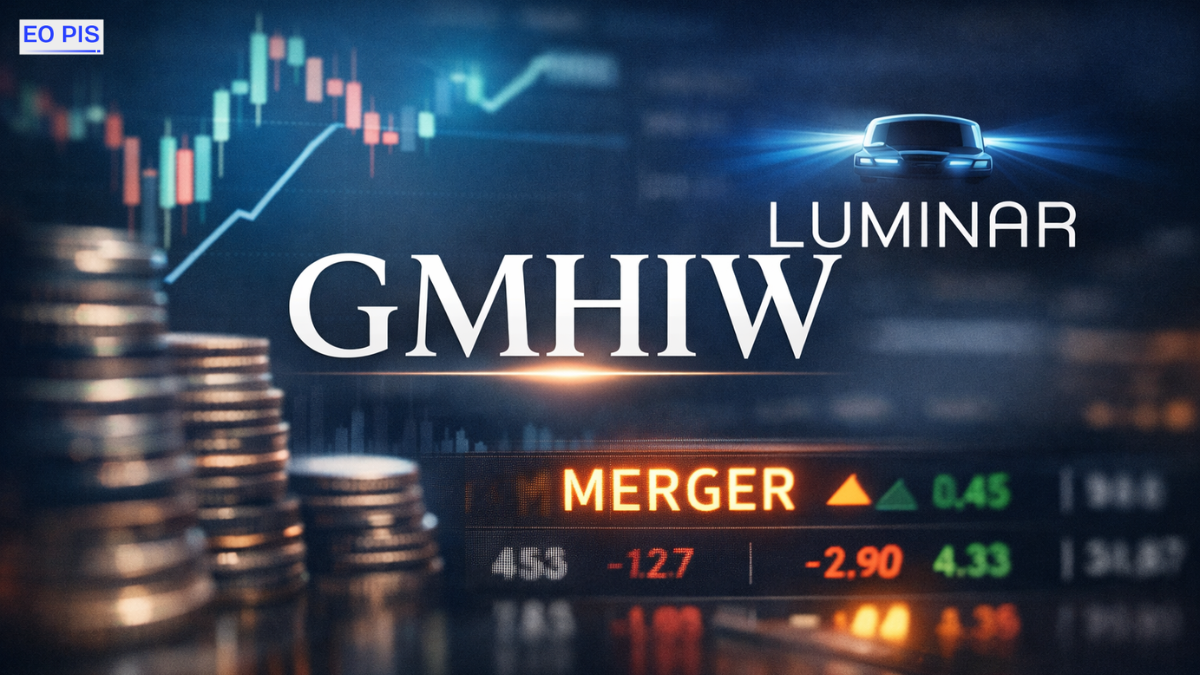
GMHIW was a SPAC warrant linked to Gores Metropoulos, Inc. that later merged with Luminar Technologies. In simple terms, GMHIW gave investors the right to buy shares at a fixed price, but it is no longer active today. Most people searching “what is GMHIW” or “GMHIW meaning” are trying to understand how it connects to LAZR and what happened after the SPAC merger.
Understanding GMHIW matters because it shows how SPAC investing, warrant structures, and ticker symbol changes work in real public markets. It also highlights what investors actually experience during a business combination, including both opportunity and risk.
What Is GMHIW, and Why Do People Still Search It?
GMHIW was the warrant ticker for Gores Metropoulos before its merger. It still appears in Nasdaq historical data, investor forums, and SPAC discussions, which is why people continue searching for it.
In practice, most users are not trying to trade GMHIW today. They are trying to answer a more practical question: what happened to GMHIW after the Luminar SPAC merger and whether it still has value.
Was GMHIW a Stock or a Warrant? Understanding the Difference
GMHIW was not a stock. It was a warrant, a type of financial instrument that gives the holder the right to buy shares at a set exercise price within a certain time.
This distinction is critical. A stock represents ownership, while a SPAC warrant is conditional. Many investors assume warrants are simply cheaper shares, but in reality, they involve expiration risk, dilution risk, and timing pressure.
Who Was Gores Metropoulos, Inc., and What Did It Do?
Gores Metropoulos, Inc. was a blank-check company, meaning it raised capital to merge with a private business and take it public.
SPACs became popular as an IPO alternative because they simplified the path to public markets. Instead of a traditional IPO process, a company could go public through a business combination with a SPAC already listed on Nasdaq.
How GMHIW Warrants Worked in a SPAC Structure
GMHIW existed because SPACs issue units that later split into shares and warrants. After separation, the warrants trade independently.
This structure creates opportunity but also complexity. Warrants provide leveraged exposure, meaning they can outperform shares if the stock rises. However, they are also more sensitive to trading volatility and market sentiment.
What Did the $11.50 Exercise Price Mean for Investors?
GMHIW carried a $11.50 strike price, meaning investors could buy shares at that price if conditions were met.
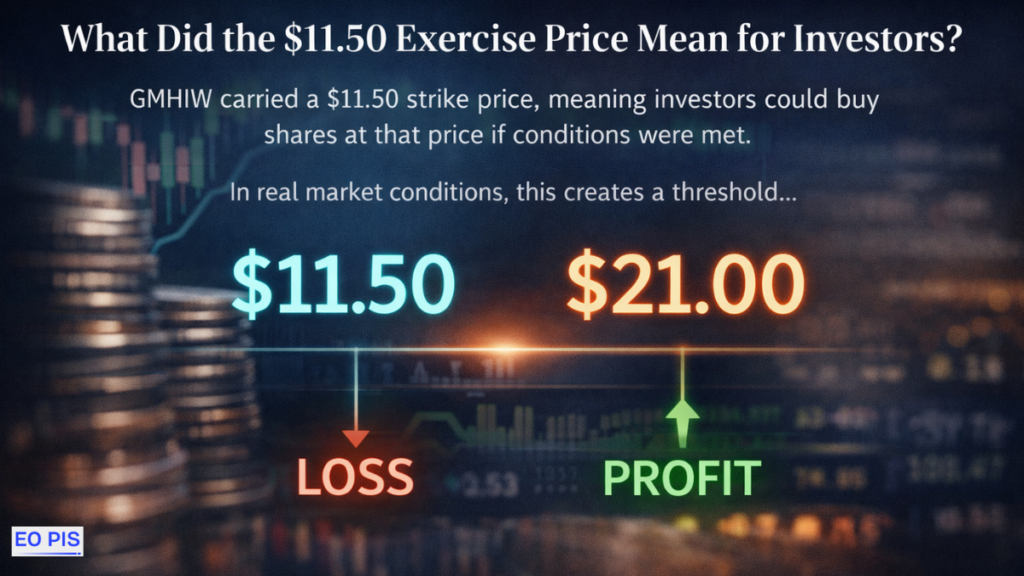
In real market conditions, this creates a threshold. If the stock trades well above $11.50, the warrant gains value. If it stays below, the warrant struggles. Many investors overlook how often post-merger stocks fail to maintain strong momentum, which directly impacts profit vs loss outcomes.
How SPAC Units Split Into Shares and Warrants After IPO
At IPO, SPAC units include both shares and warrants. After a set period, they separate into individual securities.
This is when tickers like GMHIW appear. For traders, this stage often attracts speculative interest, but it also introduces decision complexity that affects portfolio risk management.
How the Merger With Luminar Technologies Changed Everything
The merger with Luminar Technologies transformed the SPAC into a real operating company focused on lidar technology and autonomous vehicles.
This shift is important. Before the merger, investors were betting on a structure. After the merger, they were betting on a business competing in the autonomous vehicle industry, which is capital-intensive and highly competitive.
Why GMHI Became LAZR and What Happened to GMHIW
After the merger, GMHI transitioned into LAZR. This ticker symbol change reflects the shift from SPAC to operating company.
GMHIW did not remain active in the same form. Instead, the warrants became tied to the new company and were eventually subject to redemption scenarios.
What Actually Happened to GMHIW Warrants After the Deal Closed
After the post-merger transition, Luminar moved to redeem its warrants. This meant investors had limited options: exercise the warrants, sell them, or accept redemption terms.
In practice, outcomes varied. Some investors captured gains during early price spikes, while others holding too long experienced losses. This pattern reflects a common reality in SPAC warrant examples timing matters more than expectations.
Are SPAC Warrants Like GMHIW Worth It or Too Risky?
SPAC warrants can be attractive due to their low entry cost and high upside potential. However, they are also part of speculative investing.
Most investors underestimate how quickly sentiment shifts after a merger. What looks promising during announcement phases can weaken as real financial performance becomes the focus.
Hidden Risks of SPAC Warrants Most Investors Overlook
One major risk is warrant redemption, where companies force investors to act. Another is the expiration of warrants, which can render them worthless.
There is also a behavioral risk. Many investors continue holding despite declining value, expecting a recovery. In reality, post-merger outcomes often depend on fundamentals rather than initial hype.
Why Some SPAC Warrants Become Worthless After Mergers
Many SPAC warrants fail because the underlying stock does not sustain growth. If the price remains below the exercise level, the warrant loses practical value.
This is especially common in growth stocks tied to emerging industries. While long-term potential exists, short-term performance often fails to meet market expectations.
What It Feels Like to Hold SPAC Warrants Through a Merger (Investor Perspective)
Holding SPAC warrants can feel like a high-risk, high-reward experience. Early stages often bring excitement and rapid gains, but uncertainty increases after the merger.
In practice, investors experience shifting expectations, increased volatility, and time-sensitive decisions. Managing this requires a clear warrant trading strategy and disciplined execution
Lessons Investors Learned From GMHIW and Similar SPAC Deals
GMHIW highlights a broader lesson in capital markets. Understanding structure matters as much as understanding the company.
It also shows that timing and decision-making are critical. Many investors focus on long-term narratives but overlook short-term mechanics like redemption, expiration, and dilution.
Should You Care About GMHIW Today or Is It Just Market History?
GMHIW is no longer an active ticker, but it remains relevant as a learning example. It helps explain how SPAC warrants work, how mergers affect securities, and why older tickers persist in search results.
For researchers, investors, and anyone exploring financial instruments in modern capital markets, GMHIW offers valuable context.
Conclusion
GMHIW was a SPAC warrant tied to Gores Metropoulos that became part of Luminar’s journey to public markets. While it no longer trades, it remains important for understanding SPAC warrant meaning, ticker changes, and post-merger outcomes.
For most investors, GMHIW is not an opportunity but a lesson. Those interested in SPAC warrants should approach them with caution, a clear strategy, and awareness of risks. They may suit experienced investors comfortable with volatility, but they are not ideal for those seeking simple, long-term investments.
You May Also Like LQID: Meaning, Security, and Future Trust
FAQs
What is GMHIW, and does it still have value today?
GMHIW was a SPAC warrant tied to Gores Metropoulos before its merger with Luminar Technologies. It no longer trades and does not hold standalone value today, but it remains relevant for understanding how SPAC warrants work and evolve.
Did GMHIW become LAZR stock after the merger?
No, GMHIW did not become stock. The common shares transitioned to LAZR, while GMHIW remained a warrant tied to the new company and was later redeemed or expired.
What happens to SPAC warrants like GMHIW after a merger?
After a merger, SPAC warrants typically continue temporarily under the new company but may be redeemed, exercised, or expire. The outcome depends on stock performance, timing, and company actions such as warrant redemption.
What is the biggest hidden risk of SPAC warrants like GMHIW?
The biggest overlooked risk is forced redemption, where the company can require investors to act quickly or accept limited value. Many investors also underestimate how easily warrants can expire worthless if the stock does not stay above the exercise price.
Are SPAC warrants a good investment strategy for most investors?
SPAC warrants can offer high upside, but they are complex and volatile, making them unsuitable for many beginners. They require careful timing, active monitoring, and a clear strategy, especially in unpredictable post-merger conditions.