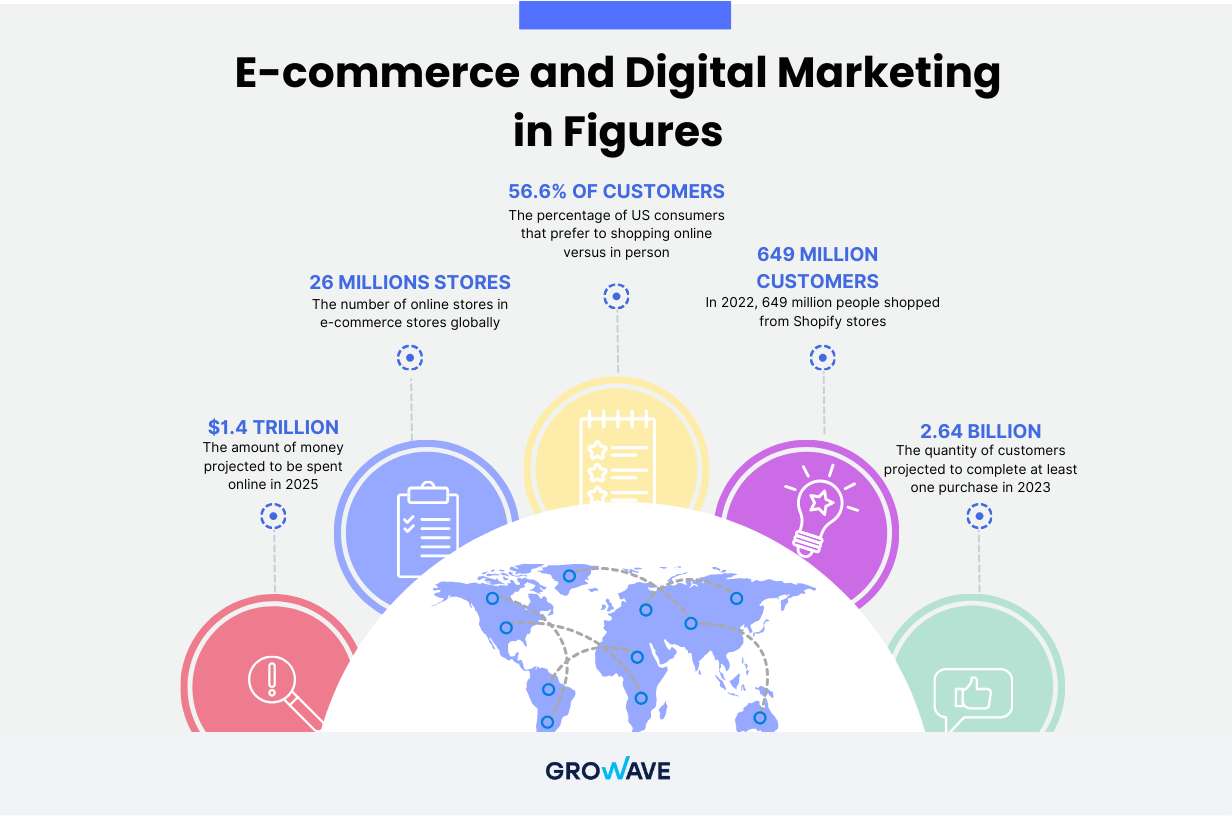
In the early days of e-commerce, growth was simple. If you had products online and a functioning checkout, you were already ahead of the curve. Customers were excited by the idea of shopping from home, comparing prices instantly, and getting items delivered to their door. Convenience alone was enough to win sales.
But that phase did not last long.
As more businesses entered the online space, product availability stopped being a competitive advantage. Today, almost every item can be found on dozens of stores, marketplaces, and apps. What truly separates growing eCommerce brands from stagnant ones is no longer what they sell, but how much customers trust them.
The Early Phase: Convenience Over Everything
Early eCommerce focused mainly on product availability and convenience. If a business could list products online, process payments securely, and deliver orders on time, customers were willing to overlook rough design, limited information, or slow support.
As technology advanced, companies invested heavily in digital marketing solutions, SEO improvement, and social media management to capture attention. Online visibility became the next battleground, with brands competing for rankings, clicks, and impressions.
Over time, buyer behavior evolved again. Shoppers began relying more on peer recommendations, reviews, and shared experiences. Instead of trusting brand claims, customers started trusting other customers.
This shift quietly changed the rules of eCommerce growth.
The Trust Economy of Modern eCommerce
Modern eCommerce operates in what can be called a trust economy. Buyers are informed, skeptical, and overloaded with options. Before purchasing, they check reviews, search brand names on Google, scan social media comments, and look for proof that real people have had good experiences.
Trust now comes from multiple signals working together:
- Honest product descriptions
- Clear return and refund policies
- Authentic customer reviews
- Visible social proof
- Responsive customer support
- Consistent brand communication
A store may offer the best price, but if trust signals are weak, growth stalls.
Why Traffic Alone No Longer Drives Growth
Many eCommerce businesses still chase growth by increasing traffic. More ads, more influencers, more impressions. While traffic is important, it no longer guarantees sales.
If visitors land on a site and feel unsure, confused, or unconvinced, they leave. Growth today depends more on what happens after the click than before it.
Trust-focused optimization includes:
- Clean and simple website design
- Transparent pricing with no surprises at checkout
- Clear shipping timelines
- Real images instead of stock photos
- Consistent messaging across ads, website, and social channels
When these elements align, even modest traffic can produce strong growth.
Social Proof as a Growth Multiplier
One of the most powerful drivers of eCommerce growth today is social proof. Reviews, testimonials, user-generated content, and word-of-mouth marketing influence decisions more than brand messaging.
Customers want reassurance that others like them have already purchased and were satisfied. This is why:
- Product pages with reviews convert better
- Video testimonials increase confidence
- Social media comments impact purchase intent
- Influencer mentions feel more authentic than ads
Successful brands actively encourage customers to share experiences rather than just pushing promotions.
Brand Storytelling Builds Long-Term Trust
Beyond reviews and ratings, storytelling plays a key role in trust-building. Shoppers want to know who they are buying from and why the brand exists.
This does not require dramatic narratives. Even simple stories help, such as:
- Why the product was created
- What problem it solves
- How it improves daily life
- What values the brand stands for
When customers understand the purpose behind a business, they are more likely to return, recommend, and stay loyal.
Retention Is the New Growth Strategy
As trust becomes central to eCommerce growth, retention naturally gains importance. Acquiring new customers is expensive, while retaining existing ones compounds over time.
Trust-driven retention strategies include:
- Consistent post-purchase communication
- Fast and fair handling of complaints
- Personalized recommendations
- Loyalty programs that reward genuine engagement
A customer who trusts a brand does not need to be convinced again. They buy faster, spend more, and advocate on behalf of the business.
What This Shift Means for eCommerce Brands
The shift from availability to trust means eCommerce brands must think long-term. Short-term tactics like discounts and aggressive ads may bring spikes, but sustainable growth comes from credibility and consistency.
Brands that invest in trust-building assets grow steadily even when ad costs rise or platforms change. Those that ignore trust signals often struggle despite strong traffic numbers.
Final Thoughts
eCommerce growth has matured. What once depended on being online now depends on being believable. Customers have endless choices, but limited patience for brands that feel unreliable or impersonal.
Businesses that understand this shift and prioritize trust over tactics position themselves for durable growth. In today’s eCommerce landscape, trust is not a soft metric. It is the foundation of scale.