Walk down any side street near Fareham station on a weekday and count the “To Let” boards. The ones you see are often already wearing a “Let Agreed” sticker, sometimes within a week of going up. If you’re seriously thinking about buying here to rent out, that sticker tells you more than most market reports will. Before you commit to anything, have a proper conversation with local letting agents in Fareham, because the people putting up those boards know which streets let in days and which ones sit empty for weeks.
So yes, I’d say Fareham has become a more competitive place to rent. For you, as a would-be landlord, the harder question is whether that competition helps you or just pushes up what you’ll pay for the house in the first place.
Why tenants keep landing here
Fareham’s biggest selling point has always been where it is. It sits between Portsmouth and Southampton with the motorway running along its northern edge, so a tenant can work in either city and still get home without much bother. The station on the West Coastway line has direct trains to both, plus services up to London Waterloo. That suits the hybrid crowd who go into the office a couple of days a week and don’t want Portsmouth prices for a small flat.
There’s also the Navy. HMS Collingwood is just off Newgate Lane, and a fair number of people working there or down at the dockyard would rather rent in Fareham than squeeze onto Portsea Island. Add the offices at Whiteley and the businesses growing at Daedalus over towards Lee-on-the-Solent, and you get a steady stream of working tenants who need somewhere decent within a short drive of the job.
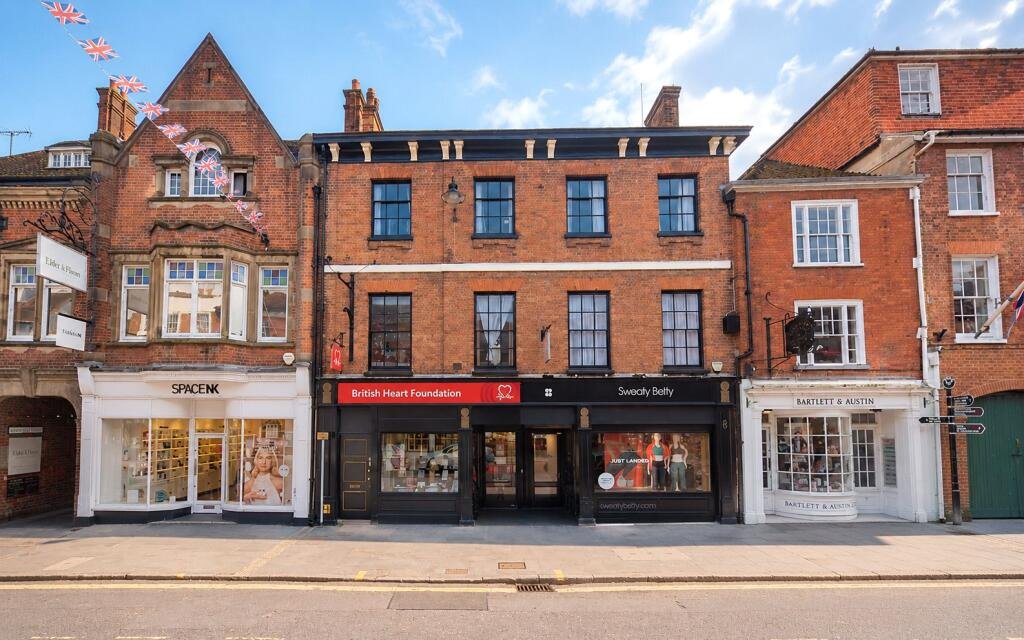
I’ve always thought the quieter appeal gets overlooked. Fareham Creek, the walk out to Portchester Castle, and a High Street lined with handsome Georgian buildings make it a nicer place to come home to than its retail park reputation suggests.
The housing stock tells its own story
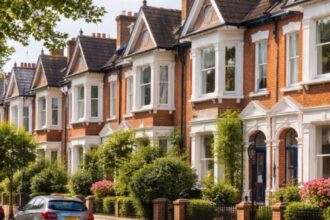
What you can actually buy matters more than any headline about demand. Close to the town centre and the station you’ll find older terraces, the sort with small back yards and on-street parking that gets tight in the evenings. They let quickly to young professionals and couples, and they’re usually what I’d point a new landlord towards, simply because the buyer and tenant pools are both deep.
Go west into Locks Heath, Park Gate and Sarisbury and the picture changes. Those areas are full of estate houses from the later decades of the last century, family semis and detached homes with drives, and that’s where parents looking for school places end up. Rents are higher, but so is the purchase price, and you’ll be competing with owner-occupiers who aren’t doing sums on yield. Stubbington and Hill Head lean even more towards bungalows and retirement buyers, which is lovely if you live there and less useful if you want a rental.
Portchester is the one I keep coming back to. The streets around Castle Street and up towards the main road have solid, modest family houses, good links into Portsmouth, and a village feel that tenants mention when they talk about why they’ve stayed. If I were buying a let in the borough tomorrow, I’d start my search there.
Welborne and the new-build question
You can’t think about Fareham’s rental future without looking north of the motorway. Welborne, the garden village planned on land beyond it, is meant to deliver thousands of new homes over the coming years, and the upgrade to the nearby motorway junction is a big part of making it happen. When those homes arrive in real numbers, tenants will have more choice, and some of that choice will be shiny new-builds with parking and an energy rating your older semi can’t match.
I don’t think that kills the case for buying an older property in town. It does mean you shouldn’t assume today’s queues will still be there a decade from now. A tired flat above a shop on West Street might let easily right now, but it could struggle once there’s a decent new alternative a short drive up the road towards Wickham.
What the rule changes mean for a Fareham landlord
The Renters’ Rights Act has reshaped how lettings work in England, with “no fault” evictions abolished and tenancies moving onto a rolling basis. For landlords in Fareham, this mostly means you need to be confident in your tenant selection and comfortable holding for the long term, since getting a property back is now more involved than it used to be.
You’ll also see For Sale boards on houses around Fareham that have been rented out for years, as some smaller landlords decide the paperwork and tax changes aren’t worth it any more. Every one of those that sells to an owner-occupier takes a rental off the market, which partly explains why viewings feel crowded. That squeeze in supply is good news for anyone buying in now with their eyes open. Fareham Borough Council enforces standards on rented homes like every council does, so budget properly for safety certificates, decent heating and damp issues, which older terraces near the creek can be prone to.
Final Thoughts
My view is that Fareham will stay competitive for renters for a good while yet, mostly because the basic geography isn’t going anywhere. People will keep needing to get to Portsmouth, Southampton and the naval bases, and plenty of them will keep choosing a town with a proper high street and a castle at the end of the road over a flat in the city. The landlords who do well here won’t be the ones chasing the highest rent on paper. They’ll be the ones who buy a sensible house in the right pocket of the borough, keep it in good order, and hold onto a tenant who’s happy to stay. Welborne will test some of the weaker stock, and I’d rather own something that can stand up to a new-build than something that only works while the market is tight.