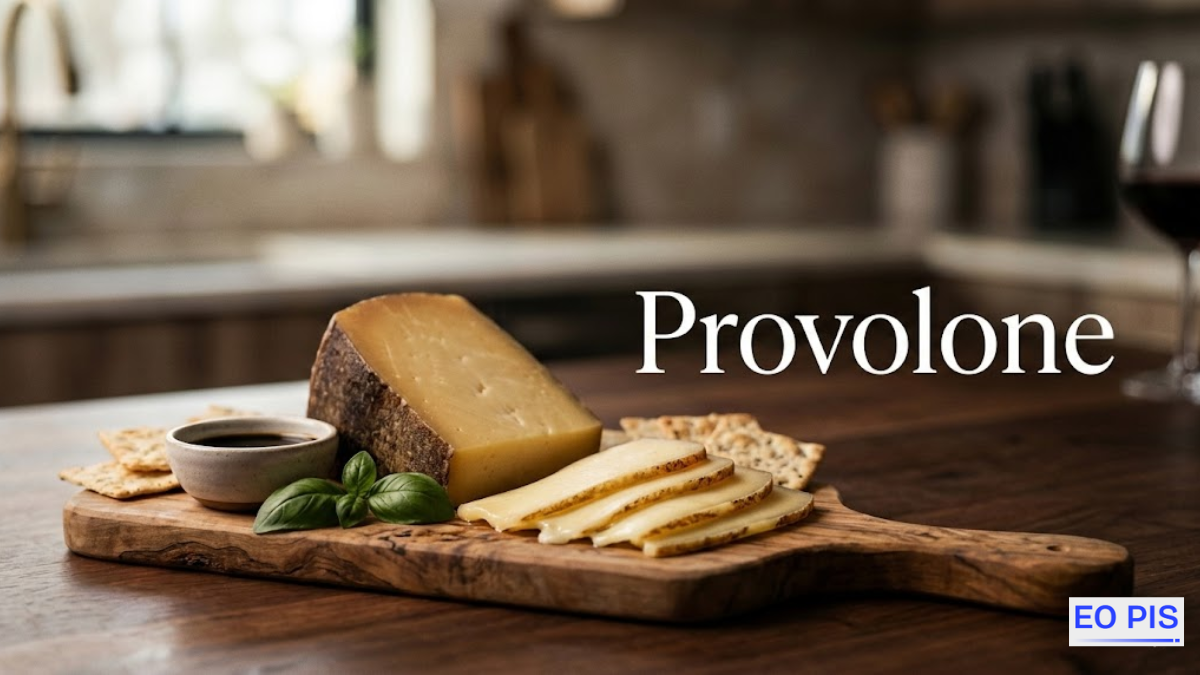
Provolone cheese is one of the most recognizable cheeses in the Italian cheese tradition, valued for its balanced flavor, versatile cooking performance, and reliable Provolone storage life. If you’ve ever wondered what is Provolone cheese, how it differs from other Italian cheeses, or how to use it properly in everyday meals, understanding its origin and production makes a big difference. From its role as a pasta filata cheese to its impressive Provolone melting properties, this guide explains the flavor, cooking uses, and Provolone shelf life that make Italian Provolone cheese a staple in kitchens worldwide.
What Is Provolone and How Is It Made?
Provolone is a traditional semi-hard cheese made from cow’s milk cheese curds and produced using the pasta filata technique. This means the curd is heated and stretched to create the smooth, elastic structure typical of stretched curd cheese.
Understanding how Provolone is made begins with the Provolone production process. Milk is warmed and coagulated with rennet to form curds. The curds are cut, heated, and stretched before being molded and salted. After shaping, the cheese is hung to age, allowing the cheese aging process to develop flavor and texture.
The result is a cheese that combines firmness with excellent cheese melting characteristics, making Provolone cheese both practical and flavorful.
The Origins and Tradition Behind Provolone
The history of Italian Provolone cheese reflects the evolution of traditional dairy craftsmanship in southern and northern Italy. Early producers refined stretching techniques that allowed cheese to age longer and travel better than fresh varieties.
Over time, the cheese became associated with the Italian cheese tradition, especially in regions like Lombardy and Veneto. Provolone was often shaped into large cylindrical forms and hung to age in controlled environments.
This aging method remains important today because the cheese texture and flavor development depend heavily on time and environment.
What Does Provolone Taste Like? Flavor Explained
The Provolone flavor varies widely depending on age. Understanding the Provolone taste helps explain why the cheese works in so many recipes.
Young Provolone offers a mild and slightly sweet creamy cheese texture, while aged versions develop a stronger and more complex tangy cheese flavor.
This difference is often overlooked by consumers. Many assume all Provolone tastes similar to Mozzarella, but the cheese aging process produces much deeper flavors in mature varieties.
Types of Provolone and How They Differ
There are two main types of Provolone, and the distinction is important when cooking.
Provolone Dolce is younger, softer, and mild. It works well in sandwiches or sliced on cheese boards.
Provolone Piccante is aged longer and delivers a stronger flavor. It is ideal for grating or enhancing pasta dishes.
Understanding aged Provolone vs young Provolone helps cooks select the right cheese for flavor balance.
How Provolone Is Produced (Traditional Cheese Process)
The Provolone production process follows several careful stages.
First, milk is heated and curdled to form curds. After cutting and cooking, the curd is stretched in hot water to create the characteristic pasta filata cheese structure.
The cheese is then molded and salted before aging. Some producers introduce smoking to create unique smoked cheese varieties, adding depth to the final flavor.
This process contributes to the firm texture and reliable cheese melting characteristics associated with Provolone cheese.
How Provolone Melts and Performs in Cooking
One reason chefs rely on Provolone in cooking is its balanced Provolone melting properties.
Unlike many cheeses, Provolone melts evenly without separating excessively. This creates a smooth consistency in baked meals and sandwiches.
Because of its structure as a semi-hard cheese, it holds shape while still forming a creamy melt, which explains its popularity in dishes like pizza, lasagna, and even fondue.
Best Culinary Uses for Provolone in Everyday Cooking
The versatility of Provolone uses makes it a reliable ingredient across many recipes.
It works well in:
- toasted sandwiches and paninis
- pizza toppings
- baked lasagna and pasta dishes
- cheese-based sauces or fondue
- classic cheese boards and pairings
On cheese boards, Provolone pairs particularly well with fruits, cured meats, and cheese pairing combinations.
How to Cut and Prepare Provolone for Recipes
Cutting Provolone correctly preserves its structure and presentation.
Softer varieties can be cubed or sliced, while aged Provolone is easier to shave or wedge. A sharp knife or cheese wire works best.
Allowing Provolone cheese to reach room temperature briefly before serving enhances its aroma and Provolone flavor.
What Foods Pair Well with Provolone?
Provolone works well in both savory and balanced flavor combinations.
Traditional pairings include olives, roasted vegetables, bread, and cured meats. On cheese boards, the cheese complements grapes, apples, and nuts.

Among cheeses, it pairs well with varieties like Mozzarella, Fontina, Havarti, or Gouda, creating diverse flavor contrasts.
How to Store Provolone Properly
Proper Provolone storage protects both texture and flavor.
The cheese should be kept using reliable cheese storage methods, such as wrapping in parchment or wax paper before placing it in a container. This prevents moisture loss while allowing air circulation.
Refrigerated cheese storage is essential, especially once the cheese has been opened.
How Long Does Provolone Last? Shelf Life Guide
The Provolone shelf life depends on packaging and storage conditions.
Once opened, Provolone typically lasts three to four weeks when kept properly refrigerated. Vacuum-packed cheese can remain fresh longer before opening.
Signs of aging beyond quality include excessive dryness or an overly strong odor.
Nutritional Value of Provolone
The Provolone nutritional value reflects its role as a dairy food rich in essential nutrients.
It provides important calcium and protein sources, along with fats that support energy and satiety. This contributes to overall dairy nutrition.
Because of the cheese aging process, lactose levels in aged cheese tend to decrease, making older Provolone easier to digest for some people.
Is Provolone Healthy? Dietary Considerations
Provolone can fit into a balanced diet when consumed in reasonable portions.
Its protein and calcium support bone health, but sodium and saturated fat levels should be considered. Consumers concerned about cheese safety during pregnancy should choose pasteurized varieties.
Moderation helps balance flavor enjoyment with nutritional awareness.
Best Substitutes for Provolone in Cooking
If Provolone cheese is unavailable, several alternatives work well.
Mozzarella provides a similar melting ability but a milder taste. Fontina offers a nutty profile, while Havarti melts smoothly. Gouda introduces a slightly sweet flavor.
Choosing the right Provolone substitutes depends on whether the recipe requires melting performance or a stronger flavor.
Is Provolone Worth Buying for Daily Meals?
For many kitchens, Italian Provolone cheese offers a useful balance of flavor and practicality. Its strong Provolone uses in cooking, reliable melting behavior, and relatively long Provolone shelf life make it convenient compared with softer cheeses.
High-quality options can be sourced from specialty retailers such as Goudacheeseshop.com, where vacuum-packed cheese ensures freshness during delivery.
Because it adapts to both cooking and serving applications, Provolone remains a practical cheese for everyday meals.
You May Also Like Mannacote: Healthy Comfort Food Guide
Conclusion
Provolone cheese exemplifies Italian dairy craftsmanship. From the pasta filata cheese technique used in its creation to the distinctive Provolone flavor developed during aging, this cheese continues to play a central role in both traditional and modern cooking.
Understanding what is Provolone cheese, how it behaves in Provolone in cooking, and how to manage Provolone storage and Provolone shelf life helps home cooks use it effectively. Whether served on cheese boards, melted over pizza, or incorporated into pasta dishes, Provolone offers both versatility and depth.
For anyone seeking a dependable ingredient that combines flavor, usability, and nutritional value, Italian Provolone cheese remains a strong and practical choice.
FAQs About Provolone Cheese
1. What is Provolone cheese, and how is it different from mozzarella?
Provolone cheese is a semi-hard Italian cheese made using the pasta filata (stretched curd) process, while Mozzarella is usually softer and milder. The key difference is that aging Provolone can be aged for months or years, giving it a sharper and more complex flavor.
2. Does Provolone melt well for cooking?
Yes, Provolone melts smoothly and evenly, which makes it excellent for dishes like pizza, lasagna, sandwiches, and baked pasta. Its balanced cheese melting characteristics allow it to become creamy without turning greasy when cooked at moderate temperatures.
3. How long does Provolone cheese last in the refrigerator?
The typical Provolone shelf life is about 3–4 weeks after opening when stored properly in the refrigerator. Keeping it wrapped in parchment or wax paper and using proper refrigerated cheese storage helps maintain freshness and prevent dryness.
4. Is Provolone cheese healthy compared with other cheeses?
Provolone nutritional value includes protein, calcium, and essential fats, making it a useful source of dairy nutrition. However, because it contains sodium and saturated fat, it should be eaten in moderate portions as part of a balanced diet.
5. Can Provolone cheese cause problems for pets or lactose-sensitive people?
Although small amounts may not be harmful, Provolone cheese is not recommended for pets because its fat and salt content can upset digestion. For people sensitive to lactose, aged Provolone often contains lower lactose levels, which may make it easier to tolerate than younger cheeses.