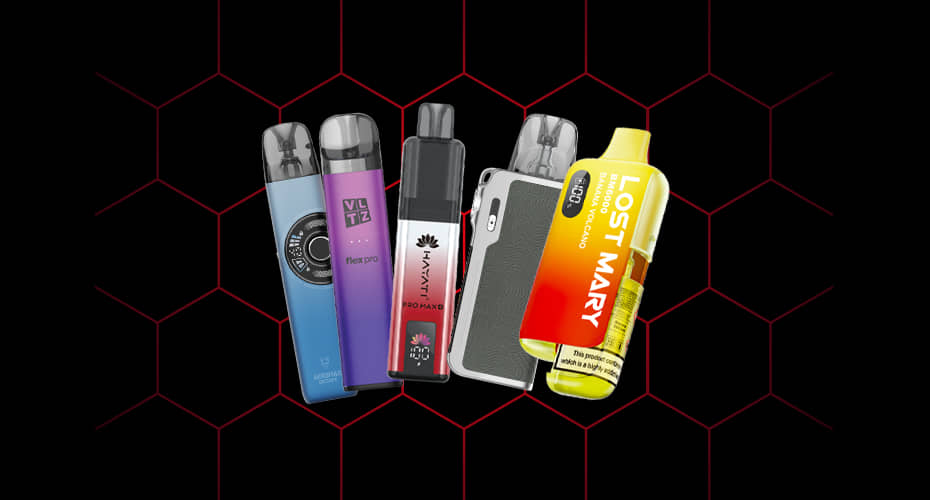
The Legal Framework: Where UK Vape Regulations Come From
UK vaping regulation draws from multiple sources. The primary domestic framework is the Tobacco and Related Products Regulations 2016 (TRPR), which implemented the EU Tobacco Products Directive (TPD) into UK law before Brexit. Following the UK’s departure from the European Union, the government retained the TRPR with modifications and has been layering additional legislation on top.
The Medicines and Healthcare products Regulatory Agency (MHRA) oversees the safety and compliance of e-cigarette products. The Trading Standards and Advertising Standards Authority (ASA) enforce restrictions on marketing and point-of-sale displays. And local authorities have powers to inspect and penalise non-compliant retailers.
The Disposable Vape Ban: What Changed and When
The Legislation
The Environmental Protection (Single-use Vapes) (England) Regulations 2024 banned the manufacture, sale, and supply of disposable vapes in England from 1 June 2025. Similar legislation was enacted simultaneously in Scotland, Wales, and Northern Ireland, making it a UK-wide ban. ‘Disposable’ is defined in the legislation as any e-cigarette device that cannot be refilled or recharged.
What This Means in Practice
Retailers who were still selling disposables after the effective date faced civil penalties and potential criminal prosecution for repeat or egregious violations. The sell-through of existing stock was permitted until the effective date, but no new orders could be fulfilled after that point.
For consumers, the practical impact was a sharp reduction in disposable availability throughout late 2024 and 2025 as retailers cleared stock. The market has since pivoted firmly towards refillable pod systems, with devices like the Lost Mary BM600 pod kit emerging as the primary beneficiaries of this transition.
Why Disposables Were Banned
The government cited three primary reasons for the ban:
- Environmental impact — the sheer volume of e-waste generated by single-use lithium battery devices
- Youth access concerns — disposables were identified as a particularly appealing format for underage users due to their low cost and ease of use
- Wider public health considerations — while vaping is significantly less harmful than smoking, the government wants to manage the overall prevalence of nicotine products
The Tobacco and Related Products Regulations (TRPR): Core Rules
Nicotine Concentration Limits
All e-liquid sold in the UK must contain no more than 20 mg/ml of nicotine. This applies to both freebase nicotine and nicotine salt formulations. Products exceeding this limit are illegal and cannot be sold or marketed in the UK.
The Lost Mary BM600 pod kit and its replacement pods are available in 10 mg and 20 mg nicotine strengths, both fully compliant with this limit. 0 mg (nicotine-free) pods are also available for those who vape purely for the sensory experience or who are stepping down their nicotine intake.
E-Liquid Volume Limits
Under TRPR, e-liquid can only be sold in containers of 10 ml or less (for refillable bottles) or in tanks/pods of 2 ml or less. This is why BM600 replacement pods contain exactly 2 ml of e-liquid — it is the regulatory maximum, not a design coincidence.
Notification Requirements
Before any vaping product can be legally sold in the UK, the manufacturer must submit a notification to the MHRA. The notification includes details of the product’s ingredients, nicotine delivery profile, and safety testing data. A six-month notification period applies before a product can go on sale. Legitimate products will carry a notification reference number and batch code on their packaging.
Age Verification: The 18+ Rule
The sale of all nicotine-containing vaping products to persons under the age of 18 is illegal in the UK. Retailers — both physical and online — are required to operate robust age verification systems. Online retailers must verify age at the point of purchase (not merely at delivery), and failure to do so can result in significant fines and licence revocation.
When purchasing the Lost Mary BM600 pod kit or replacement pods online, you will be asked to confirm your age and may be asked to provide ID verification through a third-party service. This is a legal requirement, not an optional step.
Advertising and Promotion Rules
The advertising of e-cigarettes is heavily restricted in the UK. The Nicotine Inhaling Products (Age of Sale and Proxy Purchasing) Regulations 2015, combined with ASA guidelines, prohibit:
- Television and radio advertising of e-cigarettes
- Advertising that appeals particularly to under-18s
- Health claims that imply e-cigarettes are risk-free
- Advertising in print media with a readership that is more than 25 percent under-18
These restrictions apply to manufacturers and retailers alike. A vape shop that runs social media content claiming their products are ‘completely safe’ or ‘totally harmless’ is potentially in violation of ASA guidelines.
Proposed and Incoming Regulations in 2026
Flavour Restrictions
The UK government has been consulting on restrictions to vape flavour names and the use of branding elements that might appeal to children. While outright flavour bans are not currently confirmed, the direction of travel suggests that by 2027, certain flavour categories (particularly those perceived as targeting young people, such as candy and dessert profiles) may face stricter labelling or marketing restrictions.
Plain Packaging Discussions
Following the model established for cigarette plain packaging, there have been discussions about requiring standardised vape packaging. No final legislation has been passed as of early 2026, but retailers and manufacturers are preparing for the possibility.
Retail Licensing
There is growing political support for introducing a mandatory retail licence for vape shops, similar to the licence required to sell lottery tickets or alcohol. This would give local authorities stronger powers to remove licences from retailers who sell to underage customers or stock non-compliant products.
Key takeaway for consumers: Buying from a reputable, MHRA-compliant vape shop is the single most reliable way to ensure you are purchasing safe, legally compliant products regardless of how regulations evolve.
How to Check if a Product Is Legally Compliant
vape shop — online or on the high street — there are several quick checks you can perform to verify that a product meets UK regulations:
- Look for the MHRA notification reference on the packaging
- Check that the nicotine strength is 0 mg, 10 mg, or 20 mg (no other concentrations are permitted)
- Confirm the e-liquid volume in prefilled pods is 2 ml or less
- Look for health warnings on packaging — these are legally required and cover a minimum 30% of the pack surface
- Verify the manufacturer’s details are printed on the pack with a UK address or UK distributor contact
Products that are missing any of these elements should be treated with suspicion. The Lost Mary BM600 pod kit and its pods carry all required compliance information and are among the most scrutinised products in the UK market given Lost Mary’s prominent market position.
Conclusion
The UK’s vaping regulatory environment in 2026 is more structured and more actively enforced than at any previous point. The disposable ban has reshaped the market, compliance requirements for legal products are stringent and well-established, and further regulatory developments are on the horizon. For vapers, the practical implication is straightforward: buy compliant products from trustworthy retailers, verify that what you are purchasing meets MHRA notification requirements, and ensure you are always purchasing as an adult through age-verified channels. Devices like the Lost Mary BM600 pod kit, sold through reputable retailers, have nothing to fear from any of these regulations — they were designed for exactly this environment.