Reliable energy is the backbone of modern communication. From mobile networks to remote monitoring systems, base stations must operate continuously without interruption. However, traditional power sources often struggle to meet these demands, especially in remote or off-grid locations. This is where base station energy storage is becoming a game-changer.
By combining advanced battery systems with renewable energy, base station energy storage solutions are transforming how communication infrastructure is powered. Instead of relying entirely on unstable grids or fuel-based generators, these systems offer a cleaner, smarter, and more dependable alternative.
The Growing Energy Challenge for Base Stations
Telecommunication base stations operate 24/7. Even a short power disruption can lead to network downtime, affecting thousands — or even millions — of users.
In many regions, especially rural or hard-to-reach areas, providing consistent electricity is a major challenge. Traditional solutions like diesel generators are expensive, require regular maintenance, and contribute to environmental pollution.
Grid power, while convenient, is not always reliable. Voltage fluctuations, outages, and rising electricity costs create ongoing operational risks. As a result, there is a growing need for energy solutions that are both reliable and sustainable.
The Role of Energy Storage in Modern Infrastructure
Energy storage systems provide a practical solution to these challenges. By storing electricity in high-performance batteries, base stations can continue operating even when the primary power source fails.
These systems can:
- Deliver backup power during outages
- Stabilize voltage fluctuations
- Reduce reliance on diesel generators
- Lower operational costs over time
But energy storage alone is not enough. The real breakthrough happens when storage is combined with renewable energy—particularly solar power.
Introducing Photovoltaic Microstation Technology
This is where Photovoltaic Microstation technology shines.
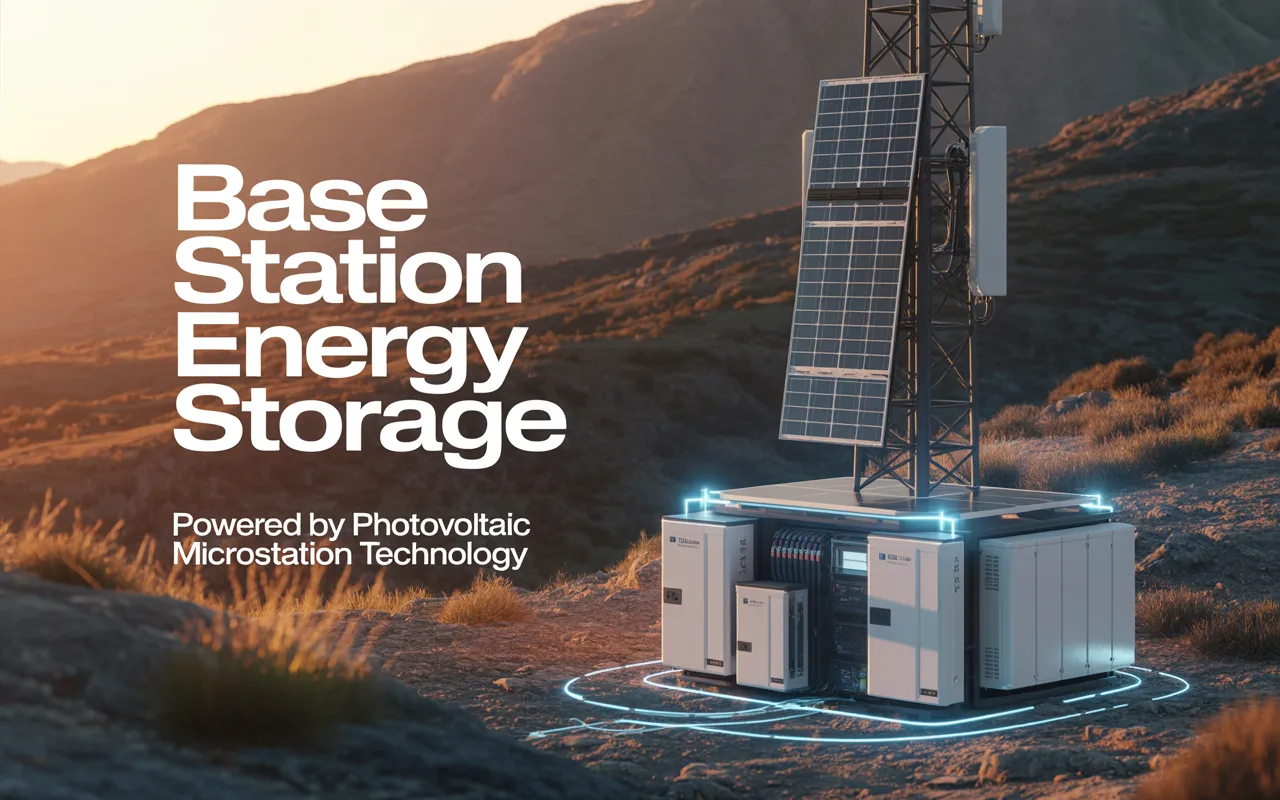
A photovoltaic microstation is a compact, integrated energy system that combines solar panels, energy storage batteries, and intelligent control systems into a single unit. It is specifically designed to provide reliable power in locations where traditional infrastructure is limited or unavailable.
These systems generate electricity from sunlight, store excess energy in batteries, and distribute power as needed. The result is a self-sustaining energy solution that can operate independently of the grid.
HighJoule’s photovoltaic microstation solutions are built with efficiency and durability in mind. They are designed to support critical infrastructure like telecom base stations, ensuring uninterrupted performance even in challenging environments.
How Photovoltaic Microstations Enhance Base Station Energy Storage
When photovoltaic microstations are integrated with base station energy storage, the result is a highly efficient and reliable energy ecosystem.
Here’s how it works:
- Solar panels generate electricity during the day
- Excess energy is stored in advanced battery systems
- Stored energy is used during nighttime or low sunlight conditions
- Intelligent controls manage energy flow automatically
This setup ensures that base stations always have access to power — without relying heavily on external sources.
Benefits of This Combined Energy Approach
The combination of energy storage and photovoltaic microstation technology offers several key advantages:
1. Energy Independence
Base stations can operate independently of the grid, reducing vulnerability to outages and infrastructure limitations.
2. Cost Efficiency
By reducing reliance on diesel generators and grid electricity, operators can significantly lower fuel and energy costs over time.
3. Environmental Sustainability
Solar-powered systems reduce carbon emissions and support cleaner energy practices, aligning with global sustainability goals.
4. Low Maintenance
Modern systems are designed for durability and require minimal maintenance compared to traditional power setups.
5. Scalability
As network demands grow, additional storage or solar capacity can be added without major system changes.
Intelligent Energy Management for Continuous Operation
One of the most important features of modern base station energy systems is intelligence.
HighJoule integrates smart energy management into its solutions, allowing real-time monitoring and automatic adjustments. These systems can analyze energy production, storage levels, and consumption patterns to optimize performance.
For example:
- Energy can be stored during peak solar generation
- Battery usage can be optimized to extend lifespan
- Critical systems can be prioritized during low power conditions
This level of control ensures that base stations remain operational under all circumstances.
Ideal for Remote and Off-Grid Locations
Photovoltaic microstation-powered energy storage is especially valuable in remote areas where grid access is limited or unreliable.
In such environments, traditional power solutions are often impractical or too costly to maintain. Solar-based microstations provide a self-sufficient alternative that can be deployed quickly and operate efficiently with minimal human intervention.
This makes them ideal for:
- Rural telecom infrastructure
- Emergency communication systems
- Remote monitoring stations
- Temporary or mobile base stations
Final Thoughts
The need for reliable, efficient, and sustainable energy in communication infrastructure has never been greater. Traditional power solutions are no longer enough to meet modern demands.
By combining base station energy storage with photovoltaic microstation technology, a new standard is emerging — one that delivers continuous power, reduces costs, and supports environmental responsibility.
This approach is more than just an upgrade. It is a breakthrough that is reshaping how critical infrastructure is powered, ensuring that connectivity remains strong, stable, and ready for the future.